
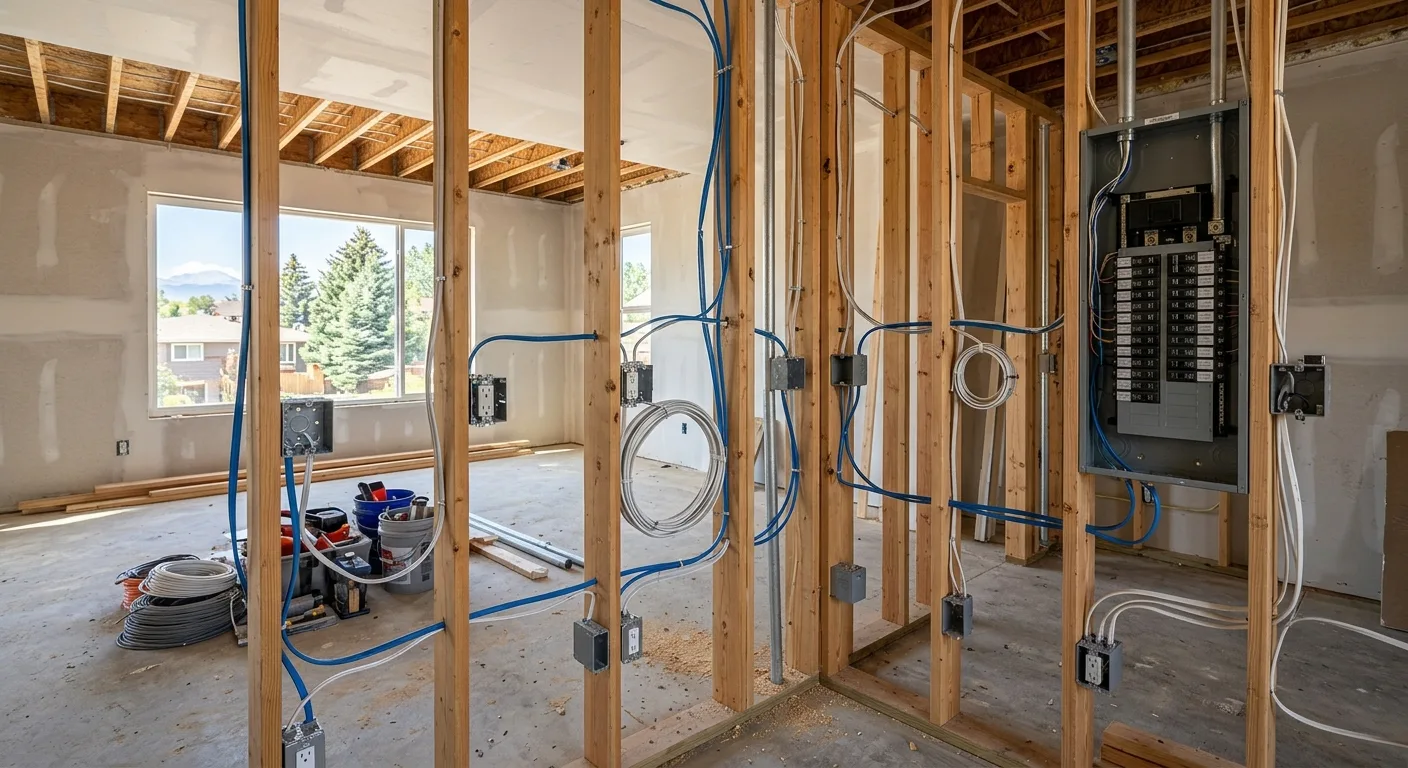
How to Save Money on Your Renovation
Hiring a licensed electrician directly removes the middleman, and the markup that comes with one.
Planning a project · 4 min read
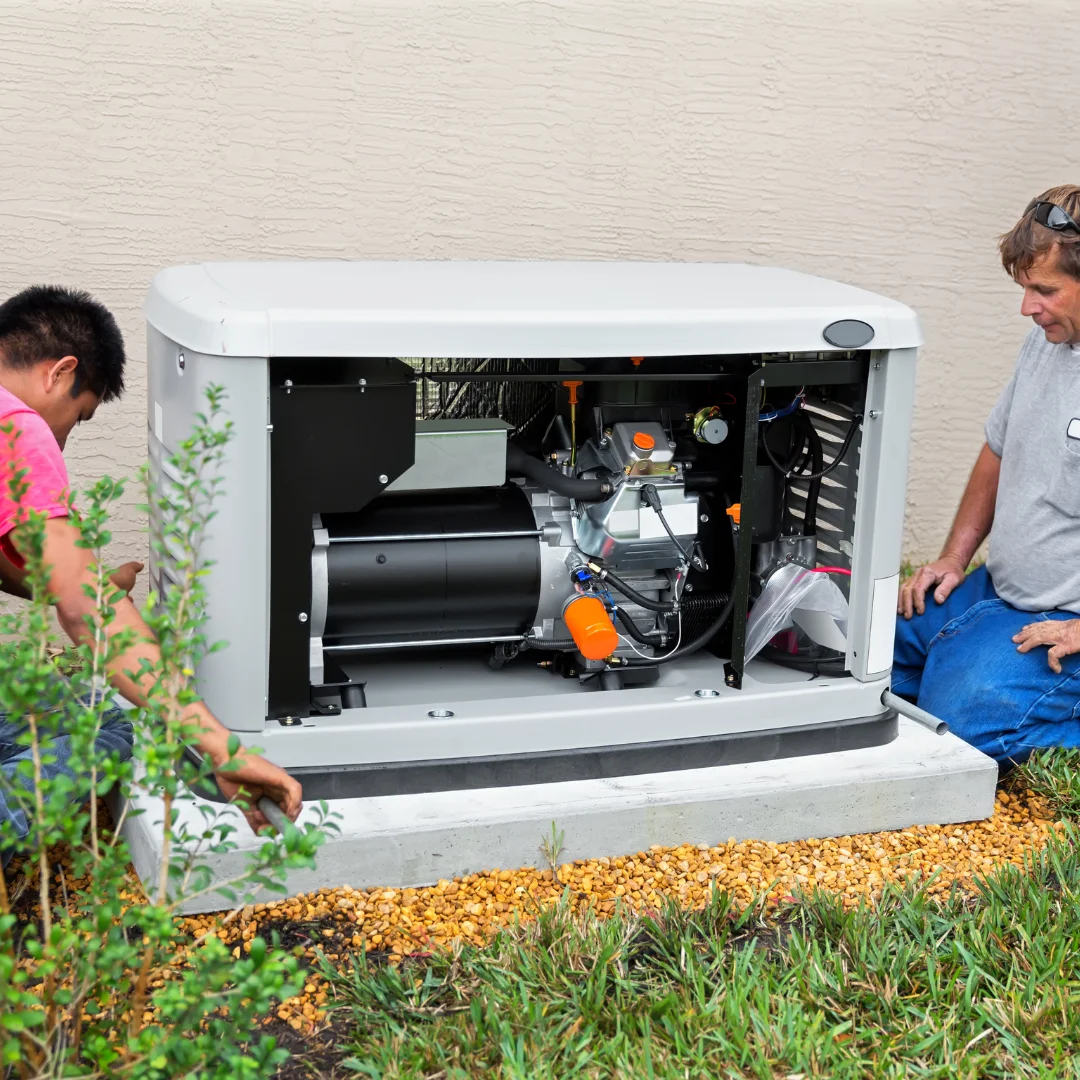
Two popular backup power options, but only one tends to hold up when a Colorado winter hits.
We get this question regularly: which is better for a Denver home, a generator or solar panels? The honest answer is that it depends on what you're trying to solve. Start with two questions, are you trying to save money on your monthly electricity bill, or are you preparing for a power outage? That answer narrows the field considerably.
Both options have real merit, and both have real limitations. As licensed electricians handling residential electrical services and backup generator installation across the Denver metro, we've seen how each option performs in Colorado's climate. Here's what we've learned.
Reliable power on demand, no sun required.
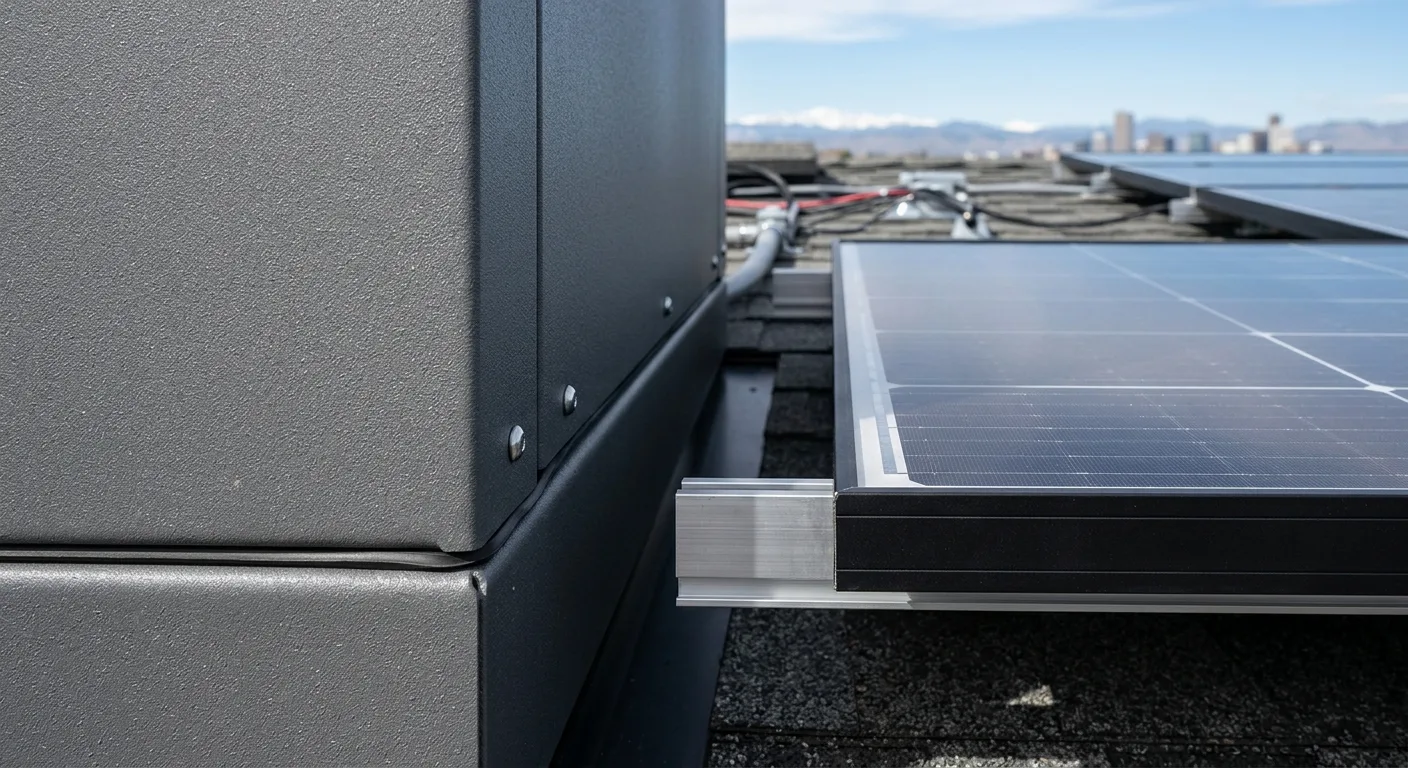
On sunny days, solar panels can offset a meaningful share of your electricity consumption. Over years, that adds up, and in Denver's 300-plus sunny days per year, the conditions aren't bad.
For homeowners who want to lower their household carbon footprint, solar is the cleaner option. No fuel combustion, no exhaust.
In some utility agreements, excess power generated during the day can be sold back to the grid, a credit against your bill that makes the math even more attractive in peak summer months.
The Trade-Offs
Solar panels produce nothing at night and very little under heavy cloud cover or snow. To use solar as true backup power, you need battery storage, and those batteries are expensive. Since the supply disruptions that followed COVID, battery costs have stayed elevated. Most homes need two or more batteries to maintain power for a single day.
The battery situation is often the deal-breaker. A full backup battery system for an average home can cost as much as, or more than, a standby generator, without the same reliability in extended outages.
Many homeowners don't account for how much solar panels weigh. Before installation, a structural assessment is essential. If the roof framing isn't built for the added load, you're looking at costly repairs that wipe out years of electricity savings. This is a point we raise consistently when customers ask us whether their home is a good solar candidate.
This one is personal, but it comes up. Large panel arrays are visible from the street, and not every homeowner wants that look on their home.
Our Take
From the guides
Hiring a licensed electrician directly removes the middleman, and the markup that comes with one.
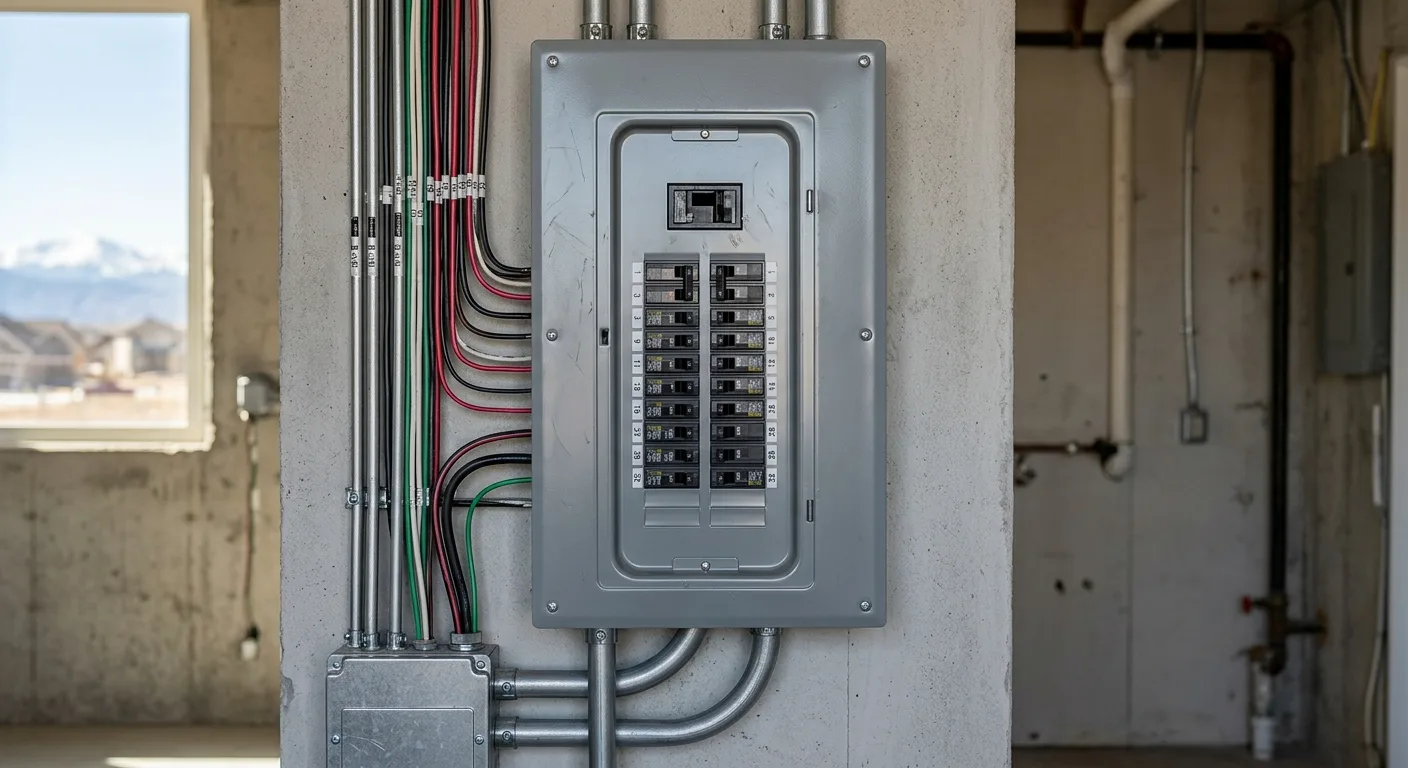
Same device, two names. Here is what every Denver homeowner should know.
Questions about generators or what makes sense for your Denver home?