
Hours vary Denver (720) 951-4619
Whole Home Surge Protection: Installed in One Visit

Chapter 07 · Life Safety & Surge

Whole Home Surge Protection: Installed in One Visit

One device protects every circuit in your home from the next power surge.

Free estimate

Tell us what you need

Three fields. It reaches a person here, not a call centre.

No obligation · Responds within 1 business day


By submitting this form you agree that we may contact you about your request and share your details with partner companies for marketing purposes.

Why Whole Home Surge Protection Matters

A whole home surge protector is worth it, and honestly, most homeowners don't find that out until after a surge fries their HVAC, refrigerator, or flat screen. The device installs at your electrical panel and catches voltage spikes before they reach a single outlet in the house. If your home was built before 2020, it almost certainly doesn't have one. That's the year the National Electrical Code made them mandatory in new construction. Older homes are completely unprotected unless a licensed electrician has since added one. All Electric can install yours in one visit, backed by a 1-year labor warranty. Call (720) 951-4619 to get it scheduled.

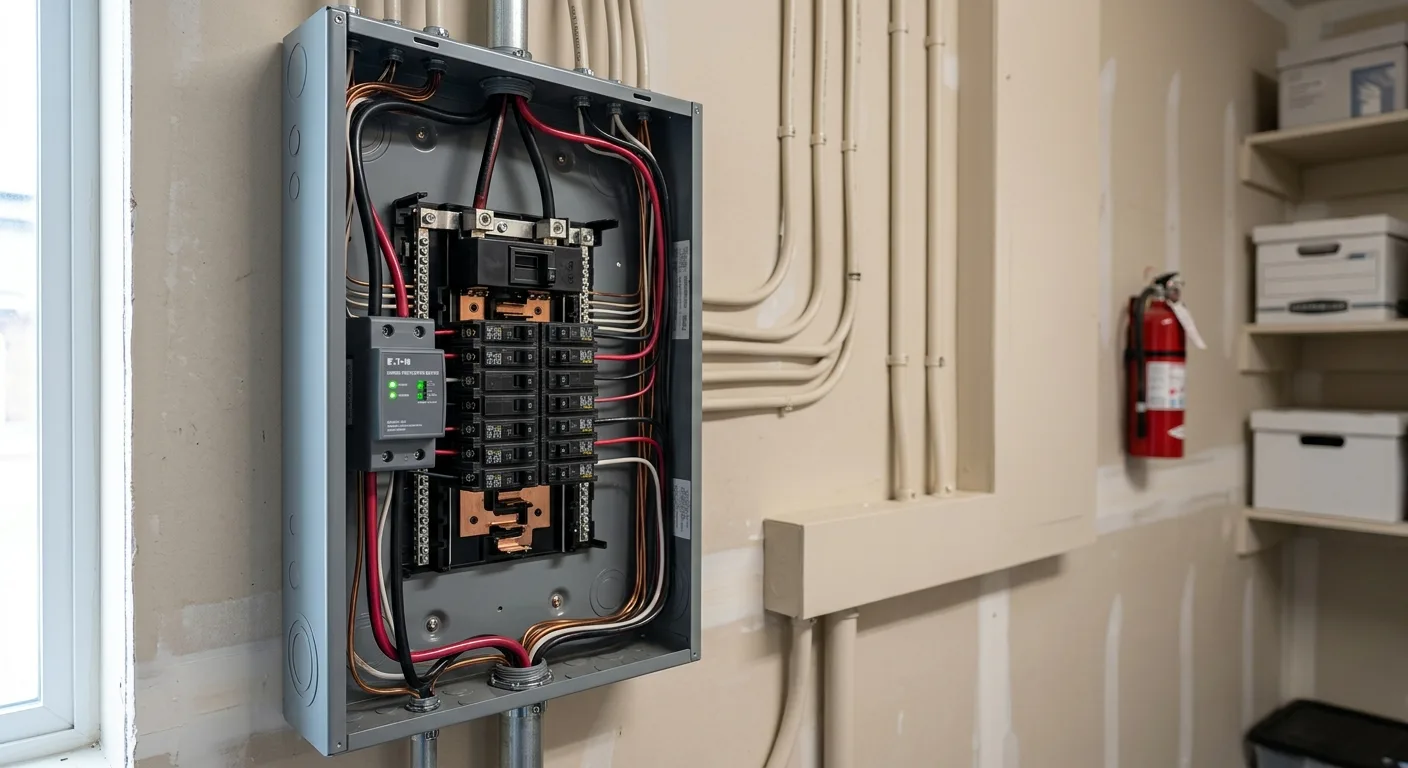
The installation itself is straightforward when the work is done correctly. A licensed electrician mounts a Type 1 or Type 2 surge protective device (SPD) at your main panel, connects it to a two-pole breaker, and verifies the ground path is solid before the panel cover goes back on. That ground connection is what actually makes the protection work. A surge protector with a poor ground is close to useless. The cost varies based on your panel's current condition, whether a breaker slot is already available, and the SPD model best suited to your load. Every job is different, contact All Electric for an accurate estimate. Financing is available if you'd like to spread out the cost.

What a Surge Protector Actually Does
home entertainment work, professional service in Denver, CO
Most people picture a power strip when they hear 'surge protector.' A whole home device is a different category entirely. It sits at the service entrance or main panel and intercepts excess voltage the moment it enters your electrical system. Before it can travel through your wiring to every device plugged in around the house. Lightning strikes are the dramatic example, but they're actually rare. The surges that quietly damage electronics happen every week: utility switching events, large motors cycling on and off, and even the compressor in your own HVAC. Those smaller hits don't kill devices outright. They degrade them. A surge protector is what stops that slow bleed. Our residential electrical services include full panel assessment before any SPD goes in. We won't install over a compromised ground or a panel that needs attention first.

What's Covered

Six Things Whole Home Surge Protection Covers

One device at the panel protects every circuit branch in the house simultaneously.

01

HVAC Systems

Your furnace, AC compressor, and heat pump all run on dedicated circuits. They're also among the most expensive items in the house to replace after a surge.

02

Kitchen Appliances

Refrigerators, dishwashers, and built-in microwaves have sensitive control boards. A surge can brick the electronics while leaving the appliance physically intact, meaning a repair or replacement nobody saw coming.

03

Home Entertainment

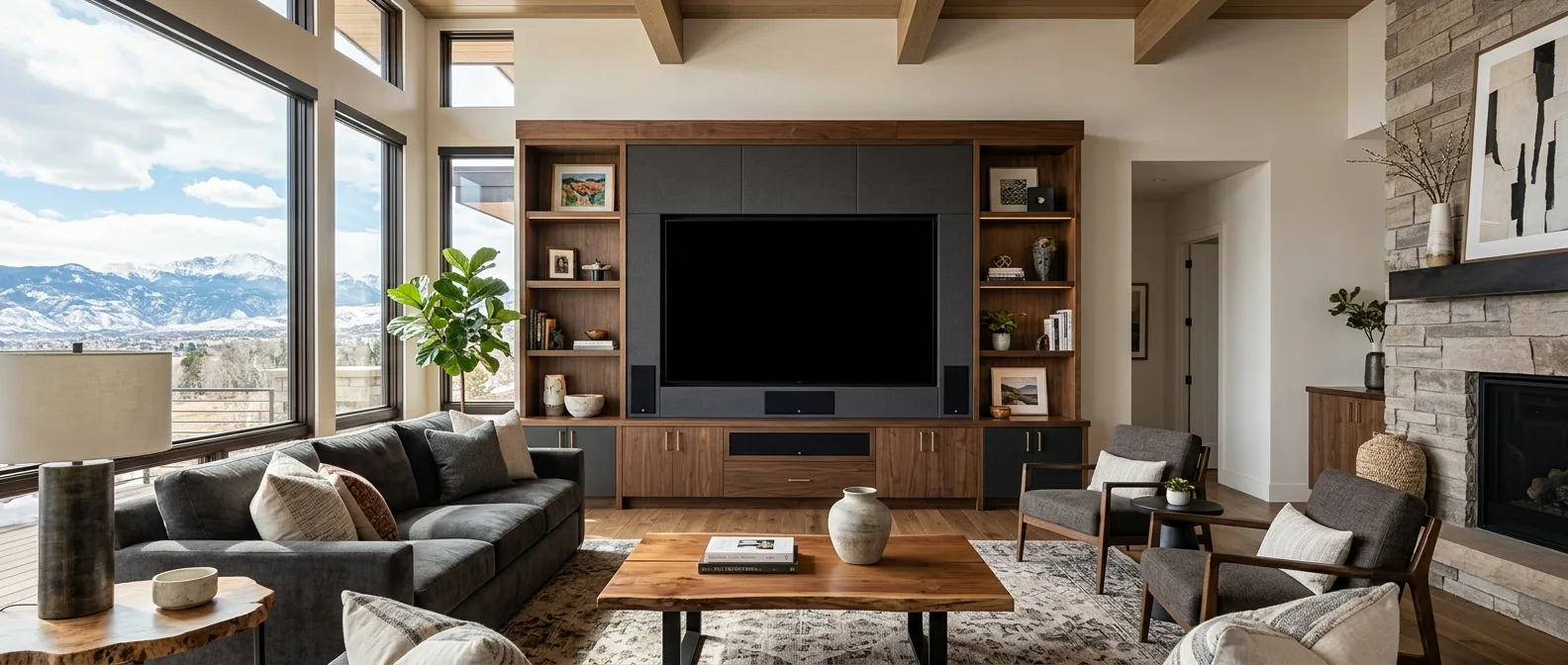
TVs, receivers, gaming consoles, and smart home hubs are always plugged in. Point-of-use strips help at the device level, but whole home protection is the first line of defense.

04

Computers and Work Equipment

A power surge that hits mid-save can corrupt data, not just the hardware. If you work from home, this is the one you can't afford to ignore.

05

Washer and Dryer

Modern washers and dryers have electronic controls that don't tolerate voltage spikes. The drum and motor survive; the control board doesn't, and that's the expensive part.

06

EV Chargers

A Level 2 home charger is a significant investment. Surge protection at the panel covers the charger's internal electronics, not just the vehicle.

Installation Process

How All Electric Installs Whole Home Surge Protection

  1. Step 1: Panel Assessment

    Before anything gets installed, we inspect your main panel. We're looking at breaker slot availability, ground integrity, and whether the panel itself is in good shape. An SPD on a bad ground does nothing.

  2. Step 2: SPD Selection and Installation

    We select the right Type 1 or Type 2 device for your home's service size. The unit mounts at the panel, connects to a dedicated two-pole breaker, and gets wired through the grounding system. The whole process typically takes less than two hours.

  3. Step 3: Testing and Sign-Off

    We verify the device is reading correctly before we close the panel. You'll know exactly what was installed, where the indicator light is, and what to watch for. CO License #ME.0600978 goes on the permit. This is a permitted install.

Common Questions About Whole Home Surge Protection

Not answered here? Call (720) 951-4619 and ask the electrician.

Is it worth it to get a whole house surge protector?
Yes, and the math isn't close. A single surge event can damage or destroy your HVAC system, refrigerator, washer, dryer, and electronics simultaneously. The cost to replace those items is many times the cost of the protector and installation. The surges you don't notice, the small ones from utility switching and motor cycling, are actually the bigger long-term threat because they degrade sensitive components over months without any obvious incident.
Do I need an electrician to install a whole house surge protector?
Yes. The device connects directly to your main electrical panel on a two-pole breaker. That work requires a licensed electrician and, in most jurisdictions, a permit. DIY panel work is dangerous and can void your homeowner's insurance if something goes wrong afterward. All Electric handles the permit, does the install, and backs the labor with a 1-year warranty.
What are common problems with whole house surge protectors?
The most common issue is a poor or missing ground connection, which means the device exists but provides little actual protection. Second is an indicator light nobody watches. Most SPDs have a status light that turns off when the unit has taken a hit and needs replacement. Third is using a device rated too low for the home's service size. All three of these are installation errors, not device failures.
What's the difference between a whole home surge protector and a power strip?
A point-of-use power strip protects only the devices plugged directly into it, and its joule rating is typically much lower than a panel-mounted SPD. A whole home device sits upstream at the panel and catches surges before they reach any outlet in the house. The two work best together, panel protection handles the big hit, point-of-use strips handle residual voltage that gets through.
How often does a whole home surge protector need to be replaced?
Most quality SPDs are rated to absorb a cumulative surge capacity measured in kilojoules. After a significant strike, or after years of smaller surges, the device will eventually reach that limit. The indicator light goes out when it's spent. As a general rule, if the area has seen a direct lightning event, we recommend having the device inspected. All Electric can check yours during any service call.
My home was built before 2020. Do I definitely not have one?
Not necessarily, but it's unlikely unless a previous owner had one added. Whole home SPDs weren't required in new construction until the 2020 NEC cycle. If you bought a pre-2020 home and don't have documentation showing one was installed, assume you don't have it. Our troubleshooting and inspection service can confirm either way.
Do I need a licensed electrician to install a whole house surge protector?
Yes. The device connects directly to your main electrical panel on a two-pole breaker. That work requires a licensed electrician and, in most jurisdictions, a permit. DIY panel work is dangerous and can void your homeowner's insurance if something goes wrong afterward. All Electric handles the permit, does the install, and backs the labor with a 1-year warranty. CO License #ME.0600978.
What are the most common problems with whole house surge protectors?
The biggest one is a poor ground connection. The device is physically installed but offers minimal protection because the ground path is bad. The second is an ignored indicator light. Most SPDs have a status LED that goes out when the unit is spent and needs replacement. Third is undersizing: a device rated for less than your home's service amperage won't handle a serious event. All three are installation errors, not product failures.
What is the difference between a Type 1 and Type 2 surge protector?
Type 1 devices install before the main breaker and can handle surges from outside the home, including lightning-induced events on the utility line. Type 2 devices install after the main breaker and protect against internal surges from appliances and HVAC cycling. Most residential installs use a Type 2 at the main panel. Type 1 is common in areas with frequent lightning or where utility-side events are a documented issue.
How do I know if my surge protector needs to be replaced?
The simplest indicator is the status light on the unit itself. When it goes out, the device has absorbed its rated surge capacity and is no longer providing protection. It needs to be replaced. After any significant lightning event in your area, it's worth having the unit checked even if the light is still on. All Electric can inspect the device during a standard service call.
Can a whole home surge protector be added to an older panel?
In most cases, yes. The installation requires an available two-pole breaker slot and a solid ground path. If the panel is full, a tandem breaker may free up a slot. If the panel is in poor condition or approaching the end of its serviceable life, we'll tell you, sometimes the right call is a panel upgrade first. We won't install over a safety problem just to complete the job.

Why homeowners trust us

What All Electric Handles on Every Surge Protection Install

Daniel Vargas, CO License #ME.0600978, 9 years in the trade, 4.9 stars across 468 Google reviews, leads every job personally or oversees it directly.

  • Permitted install

    We pull the permit. The work is on record.

  • Ground path verified

    If the ground is bad, we tell you before anything goes in.

  • Full panel inspection included

    We don't install over problems we can see.

  • 1-year labor warranty

    Covers the installation work, not just the parts.

Daniel VargasOwner · Family-owned · Denver Local 4.9 · 468 Google reviews

Schedule Your Surge Protector Installation

One visit. One less thing to worry about every storm season.

Call the shop

(720) 951-4619
  • Mon to Fri: 5 AM to 9 PM
  • Sat and Sun: 7 AM to 8 PM