Hours vary Denver (720) 951-4619
Electrical Panels and Breaker Boxes Explained

One Device, Two Names, One Job

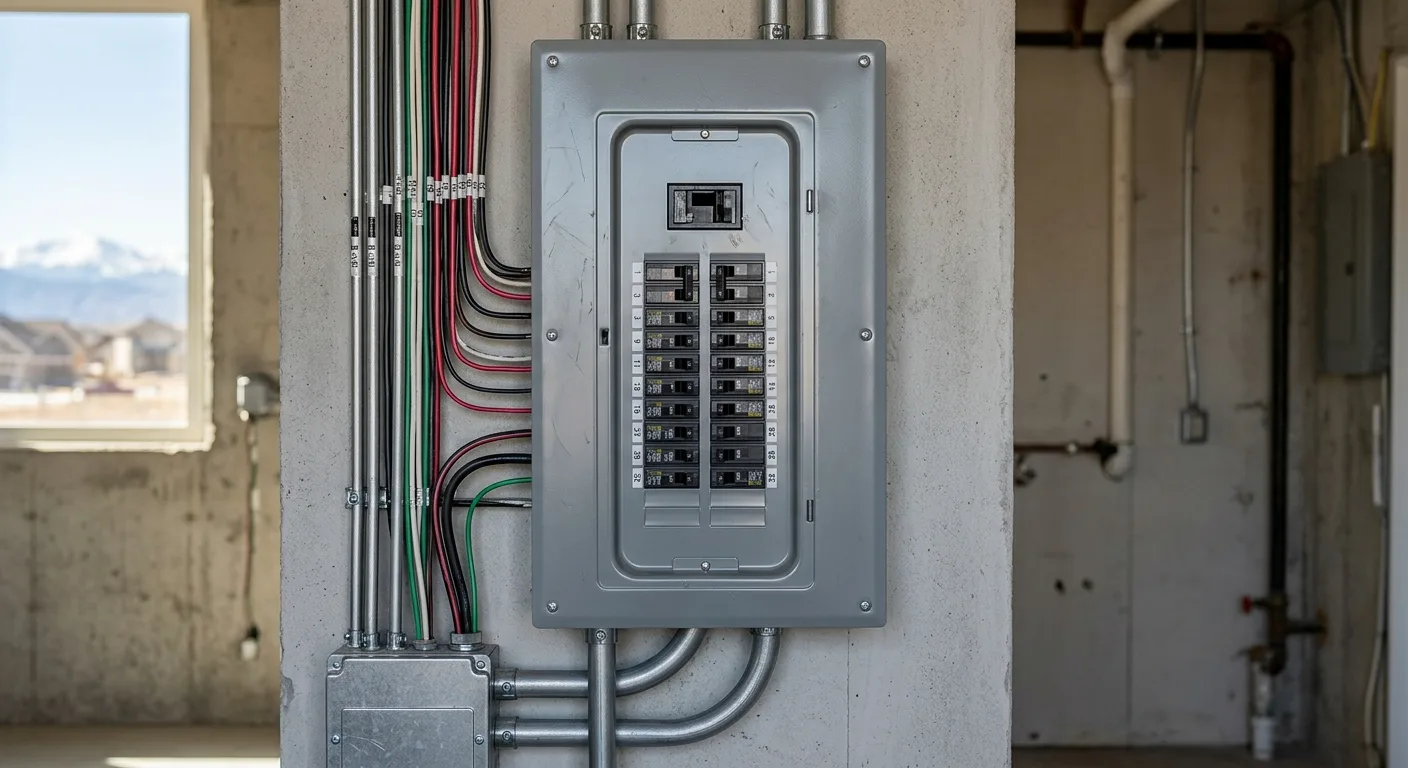
Ask three people what controls the electricity in their home and you will get three answers: breaker box, electrical panel, fuse box. They are all describing the same thing. The panel is the central hub where power enters the house from the utility line and splits into individual circuits, one for the kitchen, one for the master bedroom, one for the HVAC, and so on. Every circuit in the house traces back to it.

Understanding how that hub works, and what it means when something goes wrong, is worth knowing before you need a licensed electrician at your door.
Breaker Box vs. Electrical Panel: Is There a Difference?

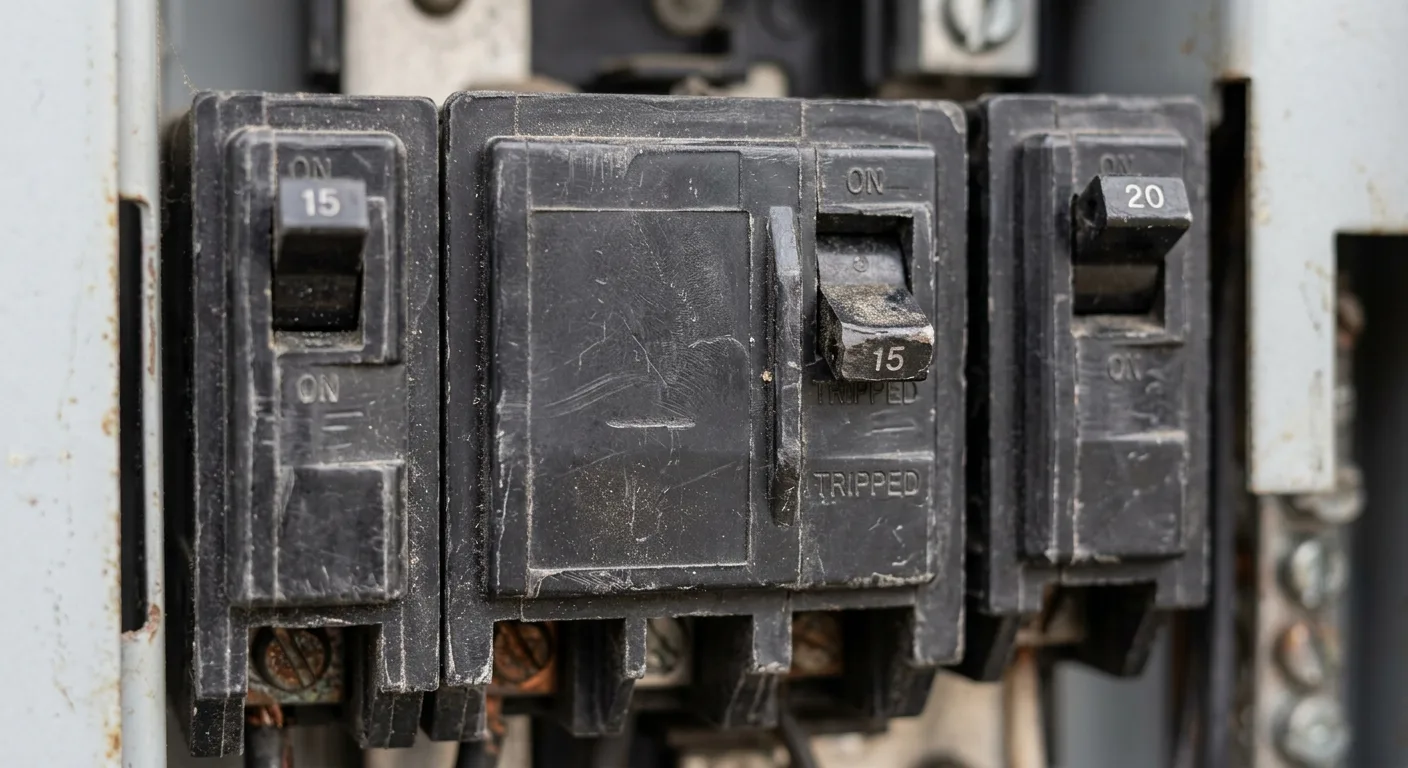
No. Both terms describe the same piece of equipment. "Electrical panel" is the technical name you will see on permits and inspection reports. "Breaker box" is what most homeowners call it because that is what is inside. A row of circuit breakers. Some older homes still have a fuse box, which does the same job but uses replaceable fuses instead of resettable breakers. Whatever you call it, the function is identical: receive power from the utility, distribute it across circuits, and shut down any circuit that draws more current than its wiring can safely carry.
breakers that trip often work, project example in Denver, CO

How It Works

What Happens When a Breaker Trips

warm or discolored panel cover work, project example in Denver, CO
A breaker is not just an on/off switch. Inside each one is a spring-loaded mechanism that works like a thermostat. When a circuit is overloaded, too many devices drawing current at once, or a short somewhere in the wiring, the wire carrying that load heats up. When it reaches a threshold temperature, the spring snaps back and the breaker trips, cutting power to that circuit. The wire goes cold, the risk disappears, and you can reset the breaker once the problem is addressed. This is a safety feature, not a flaw. A breaker that trips repeatedly on the same circuit is telling you something: that circuit needs attention, not just a reset. Learn more about how to find an electrical short if a breaker keeps tripping without an obvious cause.

Electrical Codes

Why Panels Fall Behind Code

Electrical codes are updated on a regular cycle. A panel that was installed to code twenty years ago may not meet today's requirements. Not because it failed, but because the standards moved. Denver's housing stock includes a significant number of homes built in the 1960s through 1980s, when 100-amp service was standard and household electrical loads were a fraction of what they are now. Streaming devices, EV chargers, smart appliances, and home offices all pull more current than those older systems were designed to handle. When you stop to think about how much technology has changed in the last couple of decades, it is almost inevitable that requirements and codes will continue to adapt. A panel that is not updated when it should be is not just outdated. It is a fire risk if it is regularly overloaded.
warm or discolored panel cover work, project example in Denver, CO

Signs Your Panel May Need Attention

These are the things a licensed electrician checks first during a panel evaluation.

  1. Breakers That Trip Often

    A breaker that trips once after an obvious overload is doing its job. One that trips on a lightly loaded circuit, or that trips every few days, points to a wiring problem or an undersized breaker.

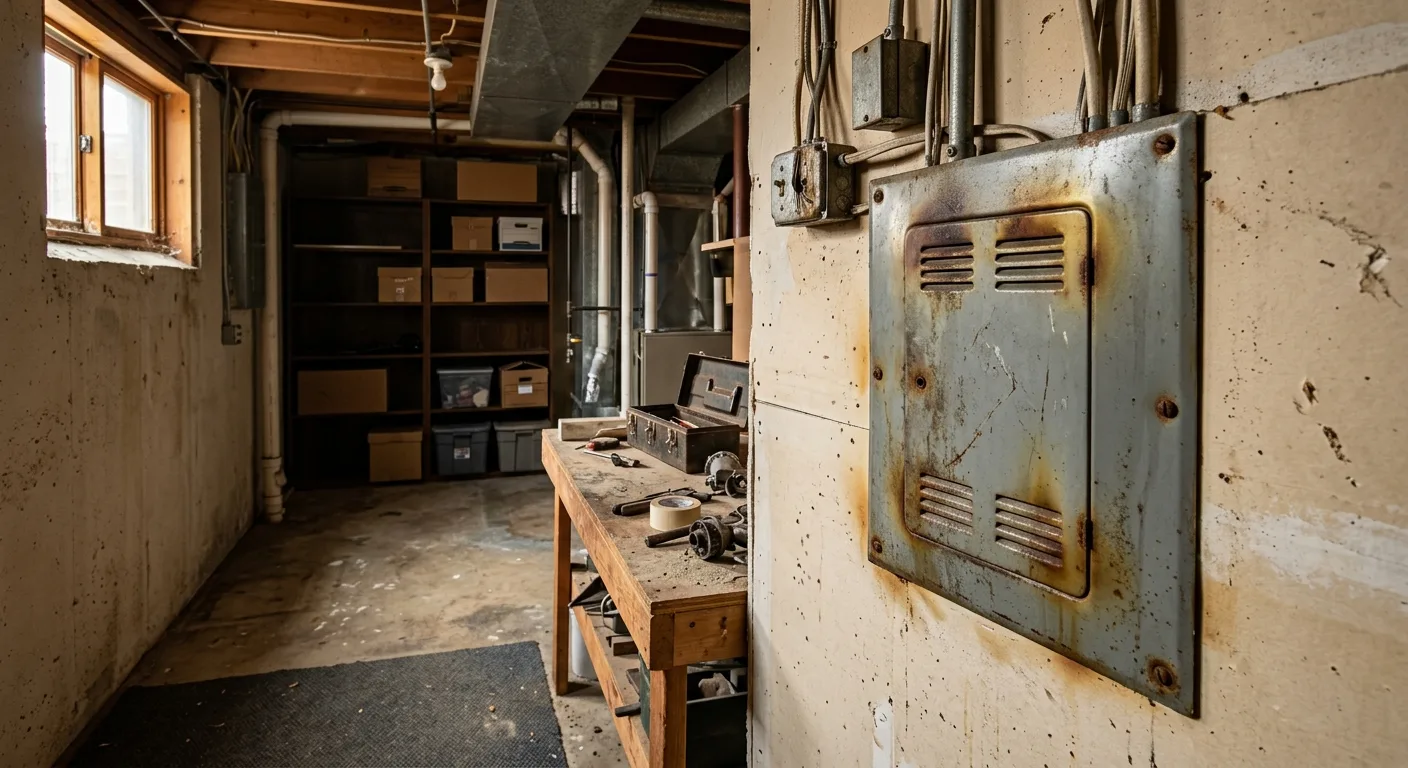
  2. Warm or Discolored Panel Cover

    Heat at the panel cover is not normal. It can mean a loose connection, an overloaded breaker, or wiring that has been running hot for longer than it should.

  3. Burning Smell or Scorch Marks

    Any burning odor from the panel area, or visible scorch marks around breakers or the main disconnect, is an emergency. Turn off the main breaker and call a licensed electrician before restoring power.

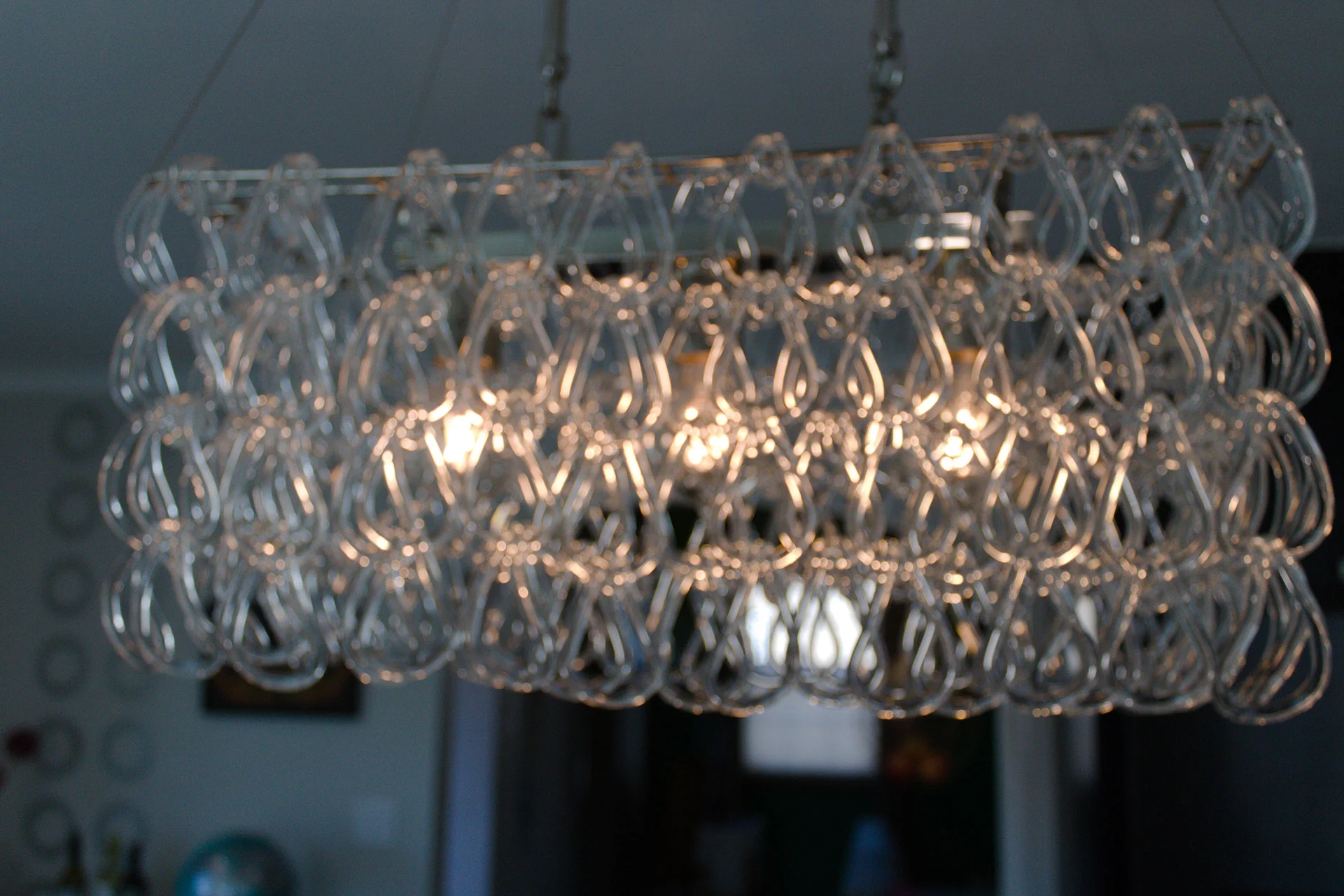
  4. Lights That Flicker or Dim

    Flickering on a single circuit usually points to a loose connection at an outlet or fixture. Flickering across multiple circuits often traces back to the panel itself or the service entrance.

  5. Not Enough Circuits

    Running extension cords permanently, or tripping breakers whenever you run two appliances at once, is a sign the panel does not have enough circuits for the home's actual load, a common situation in Denver homes that predate central air conditioning.

  6. Panel Is 25+ Years Old

    Age alone is not a reason to replace a panel, but certain brands manufactured in the 1970s and 1980s have known failure histories and are worth having inspected. An evaluation by a licensed electrician will tell you where you stand.
What a Panel Evaluation Actually Covers

lights that flicker or dim work, project example in Denver, CO

There is no single answer to whether a panel needs replacing until an electrician looks at the full picture.

Older panels that are not up to current code are a case-by-case situation. The right answer for one home is not automatically the right answer for the house next door. A thorough evaluation goes beyond the panel itself. It covers the condition of the wiring at the service entrance, the connections at each breaker, the state of the grounding system, and whether the panel's total amperage capacity matches what the home actually needs. This is the kind of electrical work that requires a licensed contractor. Not because it is complicated to look at, but because the consequences of missing something are serious.

When a Panel Upgrade Makes Sense

  1. 01

    Adding a high-draw appliance

    EV chargers, electric dryers, heat pump water heaters, and induction ranges all require dedicated circuits. If the panel is already near capacity, adding one of these without upgrading first is unsafe.

  2. 02

    Planning a kitchen or bathroom remodel

    Renovation permits in Denver typically trigger an electrical inspection. An inspector who finds an undersized or outdated panel will flag it before the project closes.

  3. 03

    Pre-sale electrical inspection

    Buyers' inspectors flag panels. A seller who addresses panel issues before listing avoids renegotiation and closing delays.

  4. 04

    Insurance requirement

    Some homeowners insurance carriers in Colorado will not renew coverage, or will add a surcharge, for homes with certain older panel brands or sub-200-amp service. If your insurer has flagged your panel, that is not optional.

Working With a Licensed Electrician

Electrical codes change, and keeping up with them is not a homeowner's job. It is ours. All Electric's team holds a Colorado Electrical Contractor license (CO License #ME.0600978) and carries full insurance on every job. We serve Denver and the surrounding metro, including Aurora, Brighton, Northglenn, and other communities across the front range. Panel work is permitted and inspected through the city. That is not optional, and we handle it as a standard part of the job. Every evaluation starts with an honest assessment of what the home actually needs, not a recommendation to replace things that still have years of safe service left. If you are noticing any of the warning signs above, or if your home has not had a panel inspection in the last decade, schedule a call. We will take a look and tell you exactly where things stand.
breakers that trip often work, project example in Denver, CO

From the guides

Keep reading

All guides

Schedule a Panel Inspection

Denver's licensed electrical contractor, CO License #ME.0600978 · Fully Insured · 468 Google Reviews

Call the shop

(720) 951-4619
  • Mon to Fri: 5 AM to 9 PM
  • Sat and Sun: 7 AM to 8 PM