
Should I Replace Aluminum Wiring?
Aluminum wiring was standard in the 1960s and 70s, but time changes what safe means.
Something's not right · 5 min read
What to look for, what it means, and when to call a licensed electrician.
Electrical problems can happen without warning, and a short circuit is one of the more common ones Denver homeowners encounter. Left unaddressed, it can trip breakers repeatedly, damage appliances, or create a genuine fire hazard. Knowing what a short looks like, and how to narrow down where it's coming from, helps you describe the problem accurately when you call for help.
The licensed electricians at All Electric have tracked down shorts in homes across Denver and the surrounding metro for years. This guide covers the signs, the steps, and the point at which a short stops being a DIY diagnostic and becomes a job for a professional.
The Basics
A short rarely announces itself with one clear symptom, watch for a pattern.
A breaker that trips once might be a momentary overload. One that trips every time you reset it, especially with no heavy appliance running, points to a short on that circuit.
Scorched plastic or a faint burning odor near an outlet or switch plate is a sign that wires inside may have arced. Do not use that outlet until it has been inspected.
Discoloration or black marks around an outlet face or at the breaker panel suggest a short has already generated enough heat to char the surrounding material.
Lights that flicker or go out on a specific circuit, particularly when a device is plugged in or switched on, can indicate a loose or damaged wire creating intermittent contact.
A small spark when you plug something in is not always serious, but a large or repeated spark suggests the outlet or the wiring behind it has a problem worth investigating.
Step by Step
Go to your breaker box and identify which breaker has tripped. Reset it once. If it holds, the problem may have been a momentary overload. If it trips again immediately or within seconds of restoring power, the circuit has a short.
Unplug everything connected to that circuit, then reset the breaker again. If it holds with nothing plugged in, plug devices back in one at a time. A breaker that trips when a specific device is reconnected points to a faulty appliance, not your wiring. If the breaker trips with nothing plugged in at all, the short is in the wiring or an outlet.
With the breaker off, remove the cover plate from outlets or switches on that circuit and look for charring, melted insulation, or wires that have worked loose from their terminals. Never touch bare wires. If you see damage, stop. This is the point where a licensed electrician takes over.
Hot wire contacts neutral wire directly. Current spikes, breaker trips. Most commonly caused by damaged insulation, a loose wire terminal, or a failing device.
Hot wire contacts the ground wire or a grounded surface, a metal box, a damp wall, a wet floor. Ground faults in bathrooms, kitchens, and outdoors are why GFCI outlets exist. A tripping GFCI is often a ground fault, not a standard short.
Damaged or deteriorating wires create arcing, small electrical discharges, that generate heat without immediately tripping a standard breaker. Arc faults are a leading cause of residential electrical fires. AFCI breakers are designed to catch them; standard breakers often don't.
If resetting the breaker and unplugging every device on that circuit still results in a trip, the fault is inside the wiring itself, inside walls, at a junction box, or at the panel. This is not a DIY fix.
Scorching, melted plastic, or the smell of burned insulation means the short has already generated dangerous heat. An electrician needs to assess the extent of the damage before power is restored to that circuit.
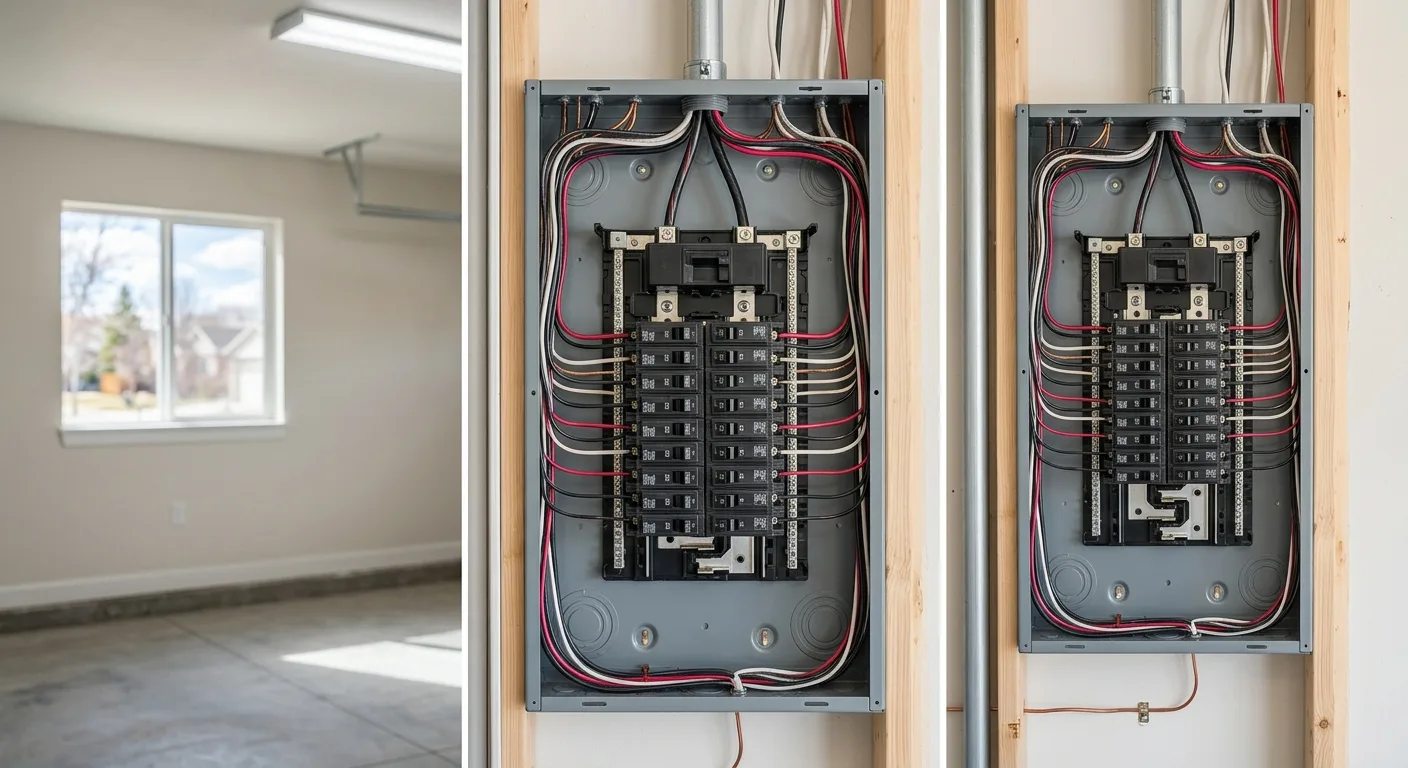
Homes built before the 1980s may have aluminum wiring or insulation that has become brittle with age. A short in older wiring carries higher risk and warrants a full inspection, not just a targeted repair. See our guide on whether to replace aluminum wiring for more context.
Safety Note
Why homeowners trust us
Licensed, insured, and serving Denver and the surrounding metro.
CO License #ME.0600978
Electrical Contractor qualified by Master Electrician
Verify with the stateFully insured
Every job, every visit
1-year labor warranty
On all repair work
From the guides
Aluminum wiring was standard in the 1960s and 70s, but time changes what safe means.
Same device, two names. Here is what every Denver homeowner should know.
A short that trips your breaker this morning can be diagnosed this afternoon. Call All Electric at (720) 951-4619 or book online.