
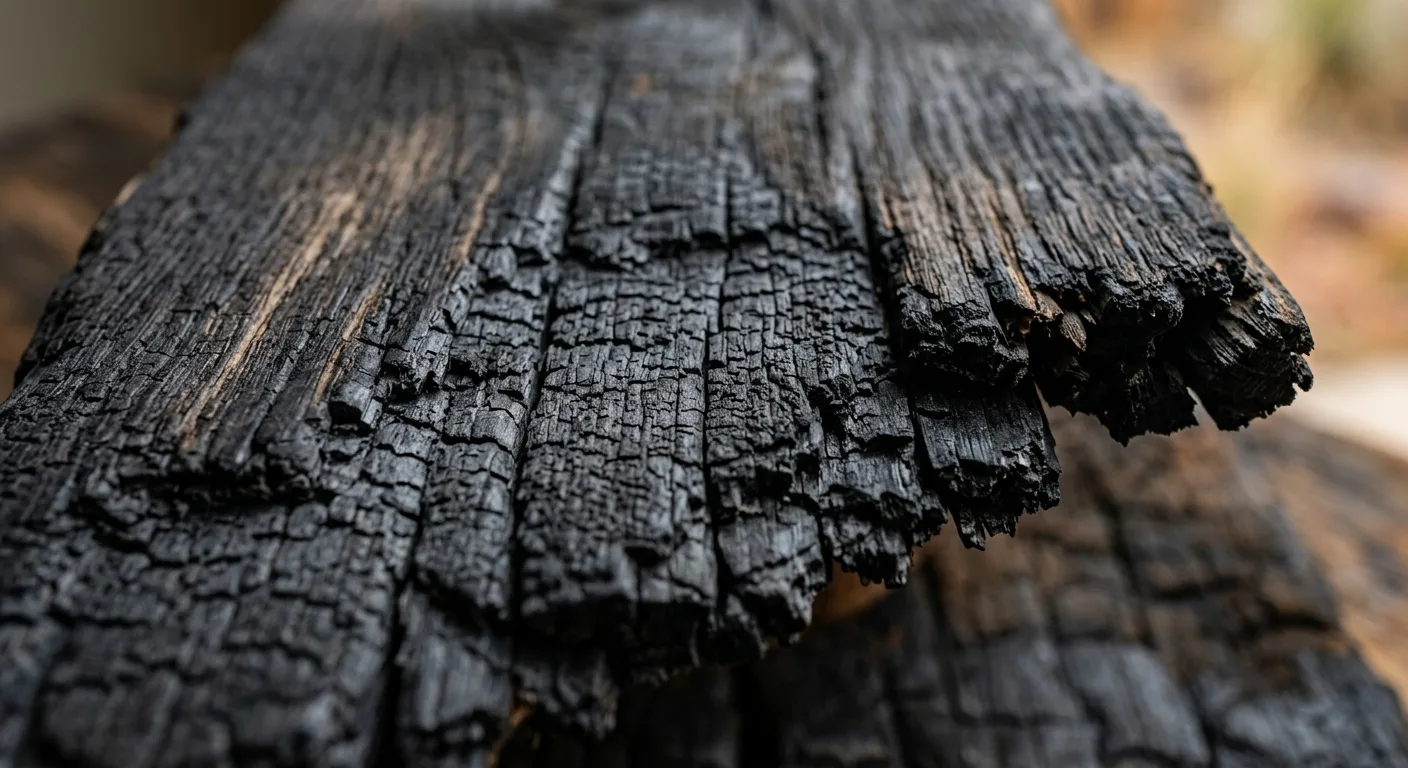
How To Find An Electrical Short
What to look for, what it means, and when to call a licensed electrician.
Something's not right · 5 min read
Aluminum wiring was standard in the 1960s and 70s, but time changes what safe means.
Aluminum wiring is still found in a large number of older homes across the US, including many Denver properties built during the construction boom of the 1960s and 70s. At the time, it was standard practice, fully code-compliant and widely used by licensed electricians everywhere. That changed once it became clear that aluminum wiring loses its structural integrity over time in ways that copper does not.
As aluminum wiring ages and cycles through heat and cooling, it expands and contracts at a higher rate than the connectors and devices it's attached to. That movement loosens connections. Loose connections create resistance. Resistance creates heat, and heat, in wiring hidden inside walls, is what causes house fires. The risk isn't theoretical. The U.S. Consumer Product Safety Commission has documented that homes with aluminum wiring are significantly more likely to have fire-hazard conditions than homes wired with copper.
Our recommendation is straightforward: if your home has aluminum wiring, replace it. This isn't about selling a service. It's the same advice any licensed electrician will give you when they open a panel and find aluminum branch circuit wiring. If you're not sure what your home has, an inspection will tell you. All Electric serves the entire greater Denver area and can assess your system, walk you through what we find, and give you a clear picture of what replacement involves.
The failure isn't sudden. It's a slow process that makes aluminum wiring more dangerous the older it gets.
What to Look For
You don't need to open the walls, several visible clues point toward aluminum branch circuit wiring.
If your home was built or substantially rewired between 1965 and 1973, aluminum branch circuit wiring is likely present. That era accounts for the majority of aluminum-wired homes still in use today.
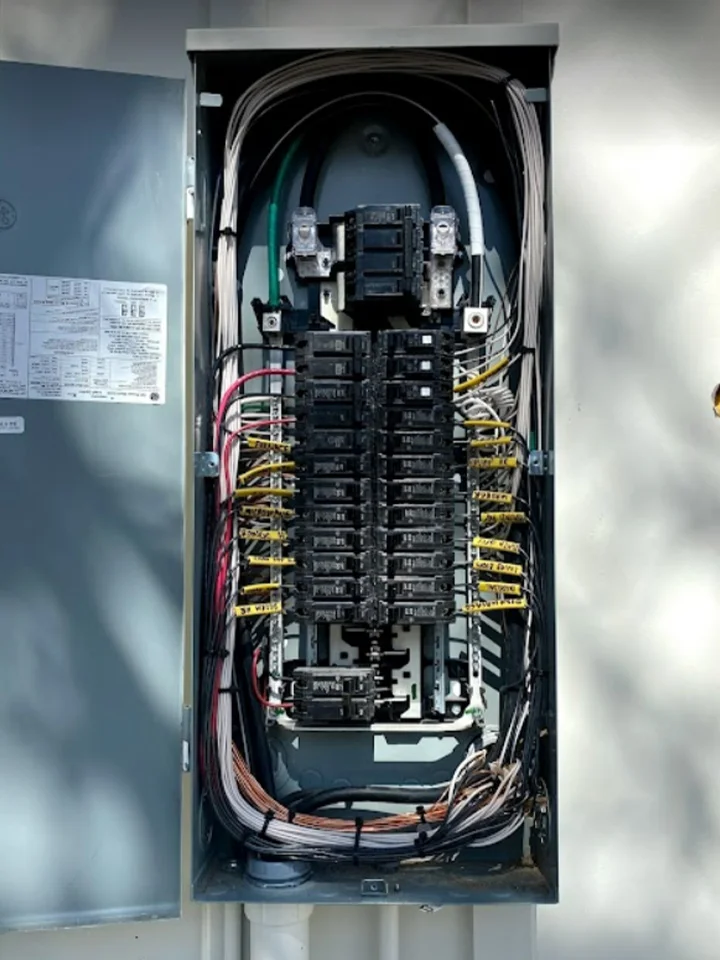
Open your breaker panel and look at the visible wiring. Aluminum wiring is silver-gray rather than the orange-copper color of copper wire. Some panels are labeled "AL" at the terminal blocks.
Outlets, switches, or cover plates that feel warm to the touch, even when nothing is plugged in, can indicate a loose or overheating aluminum connection behind the wall.
Lights that flicker or dim without an obvious cause, particularly in rooms throughout the house rather than a single fixture, can point to degraded connections along aluminum branch circuits.
Any smell of burning plastic or a faint electrical odor near outlets or switch plates should be treated as urgent. Do not ignore it. This is a condition that warrants an immediate inspection, not a scheduled visit.
Some homeowners' insurance carriers will not write a policy, or will not renew one, on a home with known aluminum wiring. If your carrier has flagged this, take it seriously.
Your Options
Full replacement is the most reliable path, but there are code-accepted alternatives worth knowing about.
Our Process
Here is the straightforward sequence for full rewiring of a home with aluminum branch circuits.
A licensed electrician opens the panel, checks visible wiring throughout the home, and identifies the scope of aluminum wiring present. This is the step that determines what you're actually dealing with before any work begins.
A rewiring project in Denver requires a permit. All Electric pulls permits and coordinates inspections. The work is done to code and documented, which matters for insurance and future sale of the home.
Copper branch circuits replace aluminum runs throughout the home. All connection points, outlets, switches, fixtures, and the panel, are updated. A city inspection confirms the work meets current code before the job closes.
Why homeowners trust us
Licensed, insured, and straightforward about what we find.
CO License #ME.0600978
Licensed electrical contractor, qualified by Master Electrician
Verify with the stateFully insured
Every job, every crew member
Permitted work only
Aluminum wiring replacement requires a permit, we pull it
1-year labor warranty
On all work performed
From the guides
What to look for, what it means, and when to call a licensed electrician.
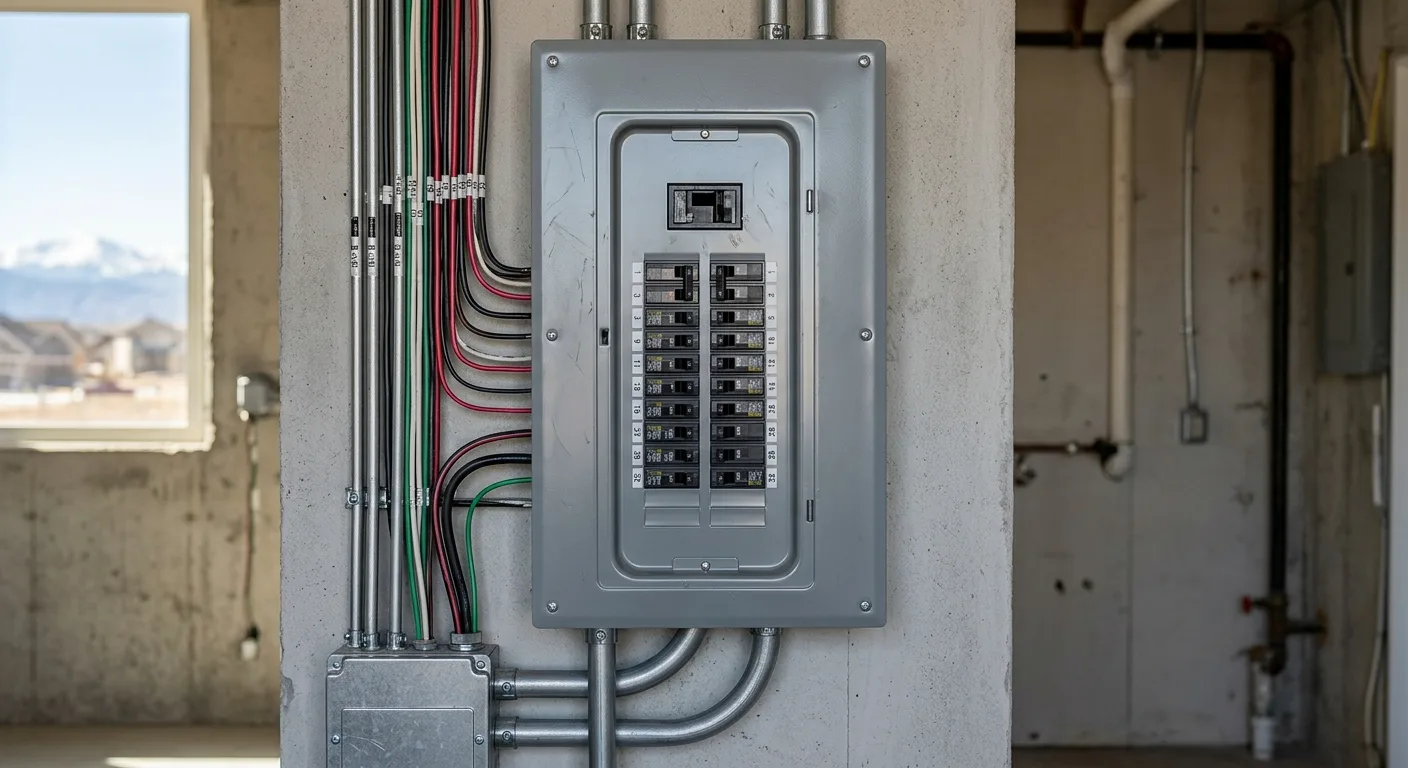
Same device, two names. Here is what every Denver homeowner should know.