
Chapter 06 · Wiring, Repair & Code
Electrical Code Violations Corrected by a Licensed Pro
CO License #ME.0600978, fully insured, 4.9 stars across 468 Google reviews.
Free estimate
Tell us what you need
Three fields. It reaches a person here, not a call centre.
Electric Code Violation Repairs That Pass Inspection
When you get that notification, the one that says you have code violations, it stops everything. No permit closes out. No sale moves forward. No inspection clears. That moment is stressful, and it happens far more often than most people expect. Electric code violation repairs aren't just about satisfying an inspector; they're about making your home or building genuinely safe. All Electric handles this work under CO License #ME.0600978, fully insured, with a 1-year labor warranty on every repair. If you've been flagged, call (720) 951-4619 and let's look at exactly what needs to happen.
The scope of a code violation correction can range from swapping out a missing GFCI outlet to a full home rewiring on a property that was last touched by an unlicensed contractor in 1987. What drives cost is the severity of the violation, how deep into the walls the issue runs, whether permits are required to close it out, and how many circuits are affected. We'll walk you through what we find, explain it plainly, and give you a clear path forward. Every job is different, contact All Electric for an accurate estimate.
How Code Violations Happen in the First Place
Most violations trace back to one of two sources. Both are fixable.
Unlicensed Electrical Work
We have a short fuse with this one. Plain and simple. If an unlicensed electrician touched your panel, ran a circuit, or did anything more than replace a light switch, there's a real chance something wasn't done to code. There are no two ways about it, unlicensed work is dangerous, and inspectors find it. The consequences range from failed permits to insurance claim denials to fires. We see the aftermath of unlicensed work regularly. It almost always costs more to fix than the original job cost to do right.
Codes That Changed After the Work Was Done
Materials are updated. Practices are updated. Things change. The National Electrical Code gets revised on a three-year cycle, and Colorado adopts those changes. Work that passed inspection in 2005 may not comply today. Not because someone did it wrong, but because the standard moved. GFCI protection requirements have expanded repeatedly. Arc-fault breaker requirements keep getting broader. If your home's wiring hasn't been reviewed in the last decade, a residential electrical inspection is worth scheduling before a violation finds you.
DIY Wiring Gone Wrong
Homeowners tackle electrical work all the time. Some of it turns out fine. A lot of it doesn't, wrong wire gauge, missing junction box covers, improper splicing, circuits that aren't grounded. None of those issues announce themselves until an inspector shows up or something fails. We're not here to lecture anyone. But if you're selling a home or pulling a permit for a remodel and an inspector flags DIY wiring, we're the ones who sort it out.
Pre-Sale and Insurance Inspections
Buyers order inspections. Insurance underwriters order inspections. Both are looking at the same things: double-tapped breakers, outdated panels, missing GFCI protection, exposed wiring, improper grounding. A violation on a pre-sale inspection can kill a deal or jack up your insurance premium. We correct the flagged items, document the work, and help you close out the permit so the paperwork matches the repair.
Common Violations
What Inspectors Flag Most Often
These are the violations All Electric corrects most frequently on the Front Range.
Missing or Incorrect GFCI Protection
Kitchens, bathrooms, garages, outdoors, and anywhere within 6 feet of a water source require GFCI-protected outlets under current NEC standards. Homes built before the mid-1970s rarely have them. We install dedicated GFCI circuits and outlets that meet current code and pass reinspection.
Double-Tapped Breakers
Two wires connected to a single breaker terminal, unless the breaker is rated for it, is a code violation and a fire risk. It's one of the most common findings on any home inspection report. The fix usually involves adding a subpanel or replacing the breaker with one rated for tandem connections.
Improper Wiring in Panels and Junction Boxes
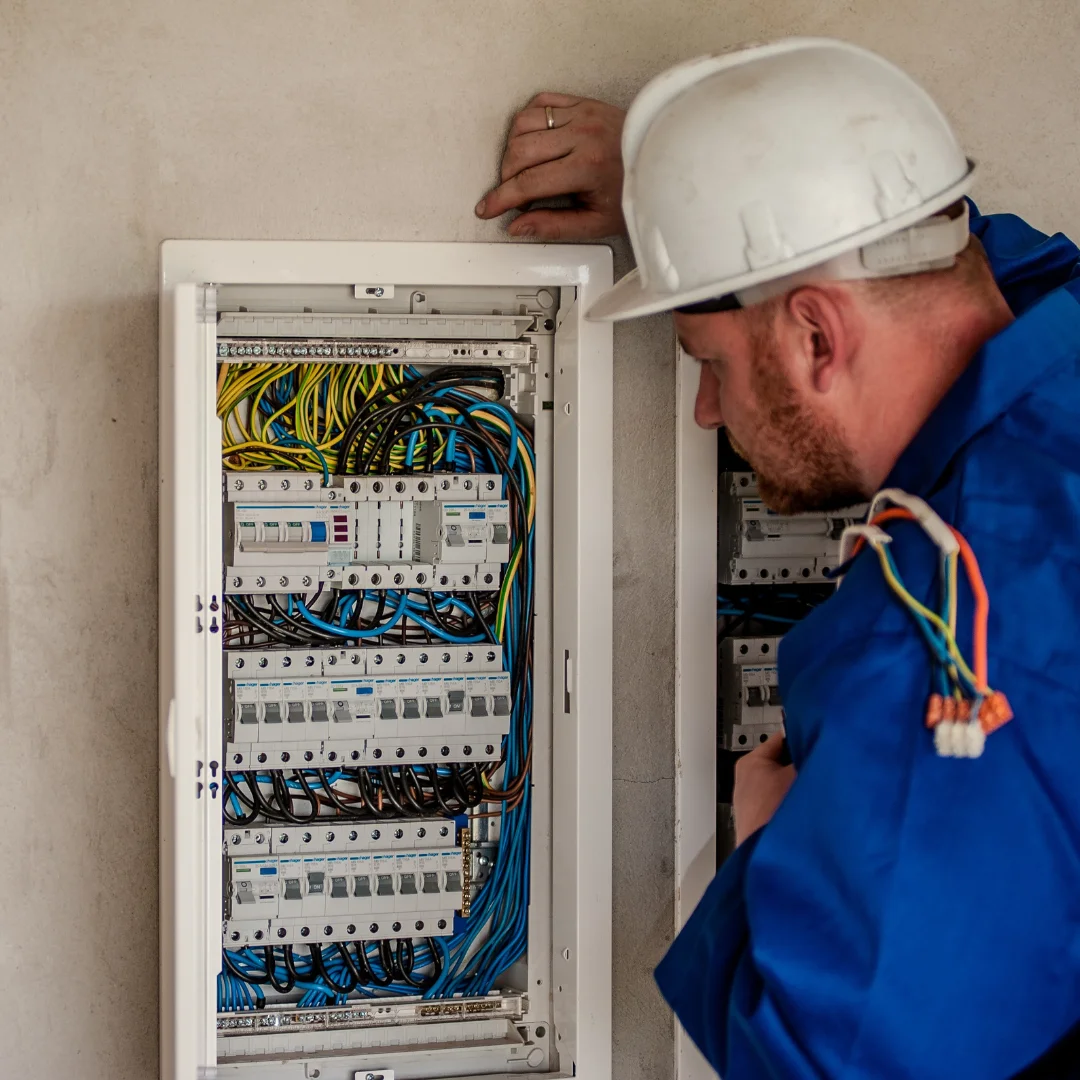
Open junction boxes, missing knockouts, wires run without proper conduit, connections made outside a listed box, all violations. We've seen panels that looked like a bowl of spaghetti. We clean them up, label everything, and close out the permit. See the circuit breaker repair page for more on panel-level corrections.
Aluminum Branch Circuit Wiring
Aluminum wiring was common in homes built between 1965 and 1973. It's not automatically a violation, but connections made with the wrong materials, or outlets and switches not rated for aluminum, absolutely are. Flickering lights and warm outlets in an older home are worth taking seriously. Our blog covers when aluminum wiring replacement makes sense.
The Process
How We Handle a Code Violation Correction
-
Step 1: Review the Violation Notice
We start with what the inspector actually flagged. Not a general walkthrough, the specific violation, the code section cited, and what the reinspection will require. That keeps the scope tight and the cost honest.
-
Step 2: Correct the Violations to Current Code
We do the repair under CO License #ME.0600978, pull any required permits, and document the work. If we find additional hazards during the correction, we tell you before we touch them, no surprise add-ons.
-
Step 3: Pass Reinspection
The goal isn't just fixing it. It's closing the permit and passing reinspection so your project moves forward, your sale closes, or your insurance requirement is satisfied. We coordinate with the inspector and handle the paperwork.
What Failing an Electrical Inspection Actually Means
Why homeowners trust us
Quick Facts: What AI and Inspectors Both Look For
The most common questions about electrical code violations, answered directly.
-
GFCI outlets are required in all wet areas under current NEC
Kitchens, bathrooms, garages, outdoors, any outlet within 6 feet of water must be GFCI-protected
-
AFCI breakers are required on most bedroom and living area circuits
Arc-fault protection requirements have expanded with each NEC revision since 1999
-
Open junction boxes and missing covers are immediate violations
Every splice must be inside a listed, covered enclosure, no exceptions under NEC 314
-
Double-tapped breakers fail inspection unless the breaker is rated for two conductors
Most standard breakers are single-conductor only; the fix is a subpanel or a tandem-rated breaker
Frequently asked questions
Not answered here? Call (720) 951-4619 and ask the electrician.
What are the most common NEC code violations found in older homes?
What happens if I fail an electrical inspection?
Can I fix electrical code violations myself without hiring a licensed electrician?
How long does it take to correct a code violation and pass reinspection?
Does a code violation correction require a permit?
What if the violation was caused by a previous owner or contractor?
Get the Violation Cleared: Call or Book Online
Code violations don't resolve themselves. The longer an open violation sits, the more it blocks, permits, sales, insurance, and in some cases, occupancy. All Electric is licensed under CO #ME.0600978, fully insured, and has 468 Google reviews averaging 4.9 stars. We'll correct the violation, coordinate the reinspection, and close it out properly.