
Chapter 03 · Circuits & Dedicated Lines
Dedicated Electrical Circuits Installed to Code
Licensed, permitted circuit installation for appliances, EV chargers, hot tubs, and more.
Free estimate
Tell us what you need
Three fields. It reaches a person here, not a call centre.
What a dedicated electrical circuit actually does
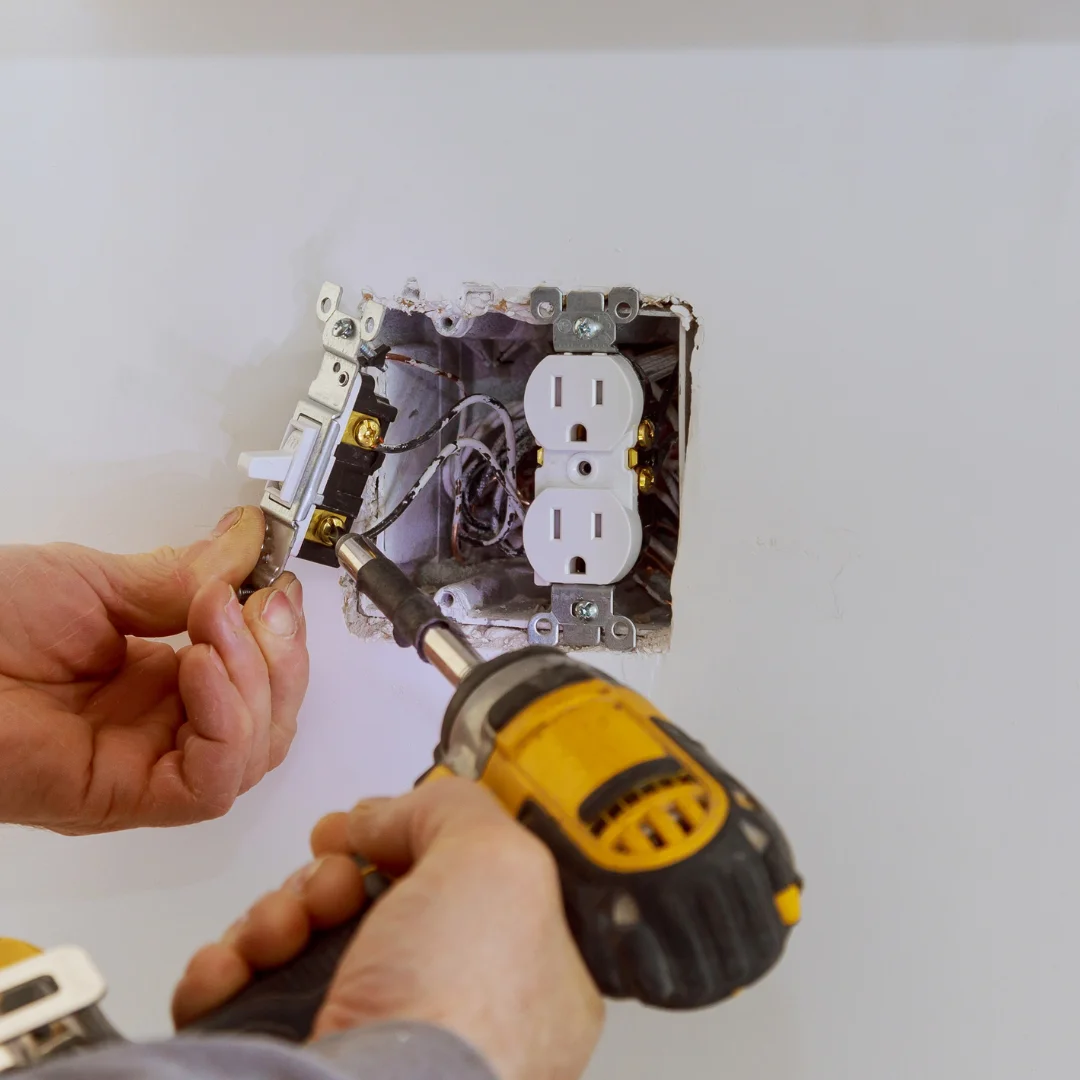
A dedicated electrical circuit serves one appliance and one appliance only. No shared load, no other outlets on the line. That design matters because high-draw equipment like refrigerators, dryers, air conditioners, and EV chargers pull more current than a standard branch circuit is rated to carry. Run them on a shared circuit and you get nuisance tripping at best, overheating at worst. All Electric installs dedicated circuits to NEC code and pulls the permit every time. CO License #ME.0600978, fully insured, and backed by a 1-year labor warranty. Call (720) 951-4619 to schedule.
The cost of a dedicated circuit installation varies based on how far the new circuit needs to run from your breaker panel, what gauge wire the appliance requires, whether the panel has open slots or needs a breaker upgrade, and what's inside the walls between point A and point B. Older homes with finished walls and tight panel boxes cost more to work in than new construction with open framing. Every job is different, contact All Electric for an accurate estimate. Financing options are available for larger projects.
Appliances that require a dedicated circuit
If the nameplate says 20 amps or more, it probably needs its own line.
Kitchen Appliances
Refrigerators, dishwashers, microwaves, and garbage disposals all pull enough current to warrant their own circuit. Most modern kitchens require at least two 20-amp small-appliance circuits by code, separate from major appliance lines.
HVAC and Air Conditioning
Central AC units and window AC units rated above 1,000 watts need a dedicated circuit. The NEC requires it. Running AC on a shared line trips breakers under load and stresses the wiring over time.
EV Chargers
A Level 2 home EV charger installation draws 32 to 48 amps continuously. That's a 240-volt dedicated circuit, properly sized wire, and a breaker rated for the load. No exceptions on this one.
Hot Tubs and Spas
Most hot tubs require a 240-volt, 50-amp dedicated circuit with a GFCI breaker. The disconnect must be located within sight of the tub. This is one of the more code-specific installs we do.
Laundry Equipment
Electric dryers need a 240-volt, 30-amp dedicated circuit. Washing machines need a separate 20-amp, 120-volt circuit. Running either on a shared line is a code violation in most jurisdictions.
Home Offices and Workshops
Laser printers, table saws, air compressors, and welders all draw heavy startup current. A dedicated 20-amp or 30-amp circuit keeps the equipment running without nuisance trips and protects the rest of the house.
Code Requirements
What the NEC requires for dedicated circuits
These aren't suggestions. They're what an inspector checks.
Correct wire gauge for the load
A 20-amp circuit needs 12-gauge wire minimum. A 30-amp circuit needs 10-gauge. Undersized wire is a fire hazard, and it's one of the most common mistakes in DIY electrical work.
Properly rated breaker
The breaker must match the wire gauge and the appliance's rated amperage. A 15-amp breaker on a 20-amp circuit won't protect the wiring. A 30-amp breaker on 12-gauge wire absolutely will not.
GFCI protection where required
Hot tubs, outdoor circuits, garage circuits, and bathroom circuits require GFCI protection by code. We install GFCI breakers or GFCI outlets at the correct points in the circuit, not just where it's convenient.
Permit and inspection
New circuit installation requires a permit in most jurisdictions. We pull it, we schedule the inspection, and we don't cut corners to skip that step. Unpermitted electrical work can void homeowner's insurance and flag at sale.
How It Works
How All Electric installs a new circuit
The process is straightforward. What takes time is doing it correctly.
-
Step 1: Assessment and sizing
We identify the appliance's actual load requirements, check the panel for available capacity and open slots, and determine the best routing for the new circuit run. If the panel's full or undersized, we'll tell you before we start.
-
Step 2: Permitted installation
We pull the permit, run the correct gauge wire, install the breaker, and connect the circuit at both ends. Everything is secured, labeled, and protected according to the NEC and local amendments.
-
Step 3: Inspection and sign-off
The inspection confirms the work meets code. Once it passes, you've got documentation that the circuit was installed correctly, which matters for insurance and for the next owner of the home.
Signs your current wiring can't handle the load
Why homeowners trust us
Key facts about dedicated circuit installation
All Electric, CO License #ME.0600978-4.9 stars across 468 Google reviews.
-
Licensed in Colorado
CO License #ME.0600978, Electrical Contractor qualified by Master Electrician
Verify with the state -
Fully insured
Every job, every technician, every visit
-
1-year labor warranty
Covers all installation work on dedicated circuits
-
Permits pulled every time
We don't skip the inspection step, unpermitted work is a liability
Dedicated circuit questions, answered
Not answered here? Call (720) 951-4619 and ask the electrician.
How can I tell if a circuit is already dedicated?
Does central air conditioning need a dedicated circuit?
What wire gauge does a dedicated circuit require?
Can I add a dedicated circuit myself without a permit?
What happens if my panel doesn't have room for a new circuit?
How long does it take to install a dedicated circuit?
Schedule a dedicated circuit installation
All Electric, CO License #ME.0600978, serving the Front Range for 9 years.