
Chapter 03 · Circuits & Dedicated Lines
AC and Heating Circuits Wired for Your System's Demands
Licensed, insured electrical work that keeps your HVAC running safely and your breakers from tripping.
Free estimate
Tell us what you need
Three fields. It reaches a person here, not a call centre.
What AC and Heating Circuits Actually Require
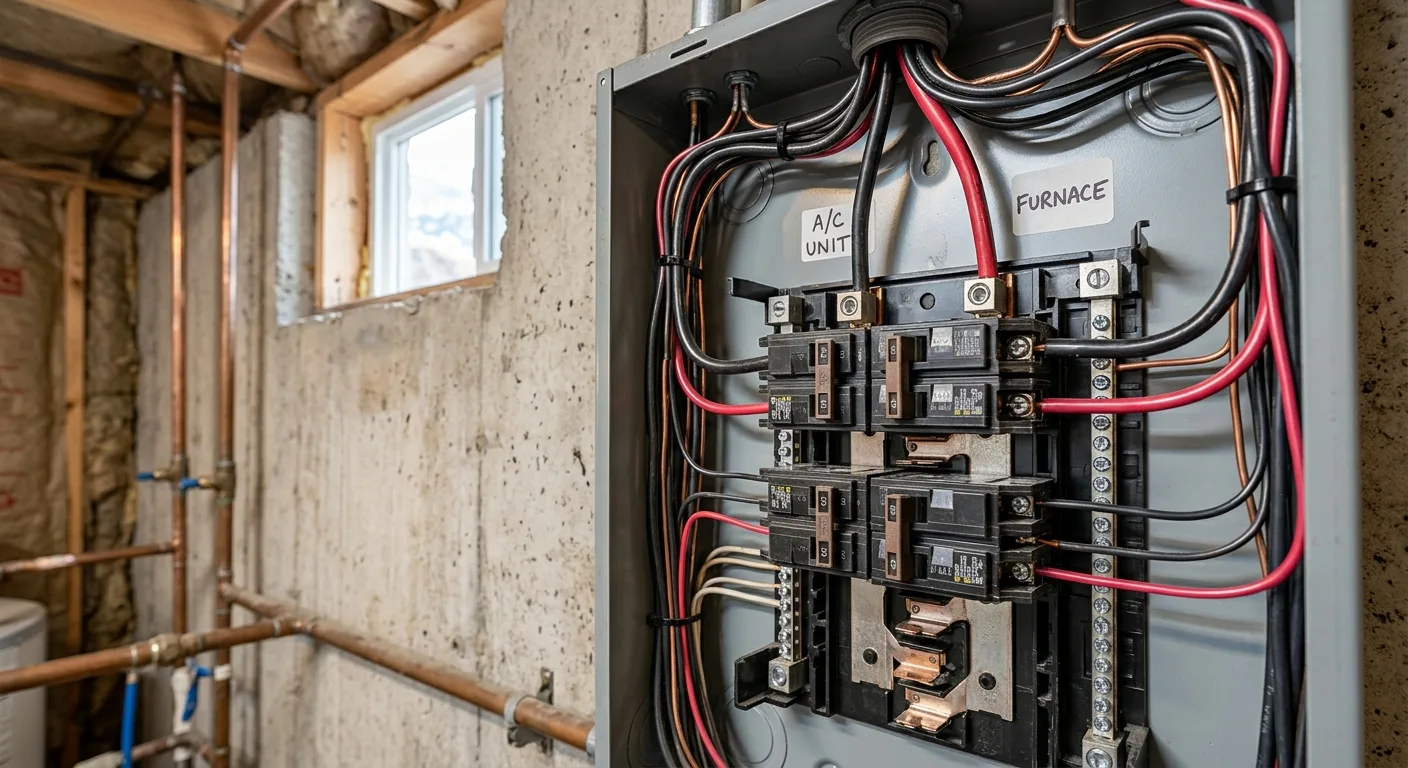
Every time your central AC or furnace fires up, it pulls a surge of electricity through your electrical panel. That surge is normal. What's not normal is a breaker that trips every time it happens. That's your panel telling you something is wrong. Dedicated AC and heating circuits are designed to handle that load cleanly, without stressing the rest of your home's wiring. All Electric installs and upgrades these circuits under CO License #ME.0600978, fully permitted, and backed by a 1-year labor warranty. If your system is tripping breakers or you're upgrading to a new HVAC unit, call (720) 951-4619 before the problem gets worse.
The complexity of this work varies a lot. An older home with a 100-amp panel may not have the capacity to feed a modern 4-ton AC unit or a high-efficiency heat pump without a panel upgrade or at minimum a dedicated circuit run from scratch. Newer construction is usually simpler, but even there, the circuit size, wire gauge, and breaker rating all have to match the equipment's nameplate specs exactly. Get that wrong and you're either nuisance-tripping or, worse, running undersized wiring that overheats. Cost depends on distance from the panel, whether walls need to be opened, and what your existing service capacity looks like. Every job is different, contact All Electric for an accurate estimate.
Why Dedicated HVAC Circuits Matter
Common Warning Signs
Signs Your AC or Heating Circuit Has a Problem
Breakers Tripping at Startup
If your breaker trips specifically when the AC or furnace kicks on, that's a load mismatch. The circuit may be undersized for the equipment, or the breaker itself may be worn and tripping prematurely. Either way, it needs diagnosis before it escalates.
Lights Flickering When HVAC Runs
Voltage sag during startup is normal for a fraction of a second. If lights dim noticeably and stay dim while the system runs, the circuit is undersized or the panel is struggling. Older homes with 100-amp service are especially prone to this.
Burning Smell Near the Panel or Disconnect
Any burning odor near your disconnect box or breaker panel is a stop-everything situation. Overloaded wiring gets hot, and hot wiring degrades insulation. Don't reset the breaker and walk away. Call us.
New HVAC Unit on Old Wiring
Newer heat pumps and high-efficiency systems often draw more power than what they replace. The circuit that worked fine with your old unit may not be rated for the new one. Always verify before the installer leaves.
No Dedicated Circuit at All
Plenty of older homes have the AC or furnace running on a shared circuit. That's a code issue and a real risk. A dedicated circuit isn't optional on new installs, and it's worth correcting on older ones.
How We Work
Our Process for AC and Heating Circuit Installation
-
Step 1: Assess Your Panel and Load
We check your existing electrical panel capacity, confirm the equipment's nameplate amperage requirements, and identify whether your current service can handle a dedicated circuit without a panel upgrade.
-
Step 2: Run the Circuit Correctly
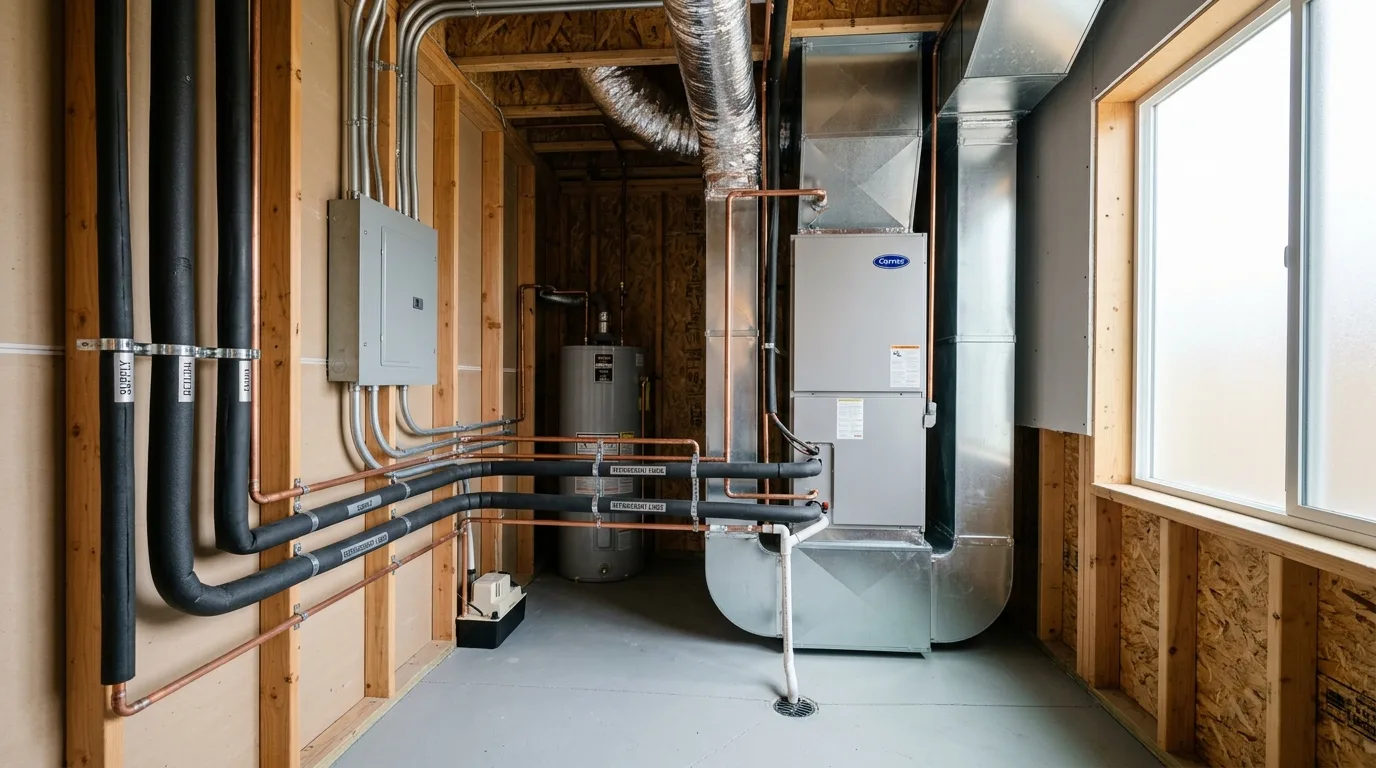
We pull the correct wire gauge from the panel to the disconnect or air handler, install the right breaker size, and make all connections to code. Permitted where required, we handle the paperwork.
-
Step 3: Test, Label, and Walk You Through It
Once the circuit is live, we test under load, label the breaker clearly, and explain what we did and why. You'll know exactly what changed in your home's electrical system before we leave.
What the Electrical Code Requires for HVAC Circuits
These aren't suggestions. They're NEC requirements that licensed work has to meet.
- 01
Dedicated Circuit per Unit
Each AC condenser and air handler requires its own circuit. Shared circuits with other loads are not code-compliant for new installations.
- 02
Correct Wire Gauge for the Load
Wire must be sized to carry the equipment's maximum amperage without exceeding 80% of the circuit's rated capacity under continuous load.
- 03
Proper Disconnect Within Sight
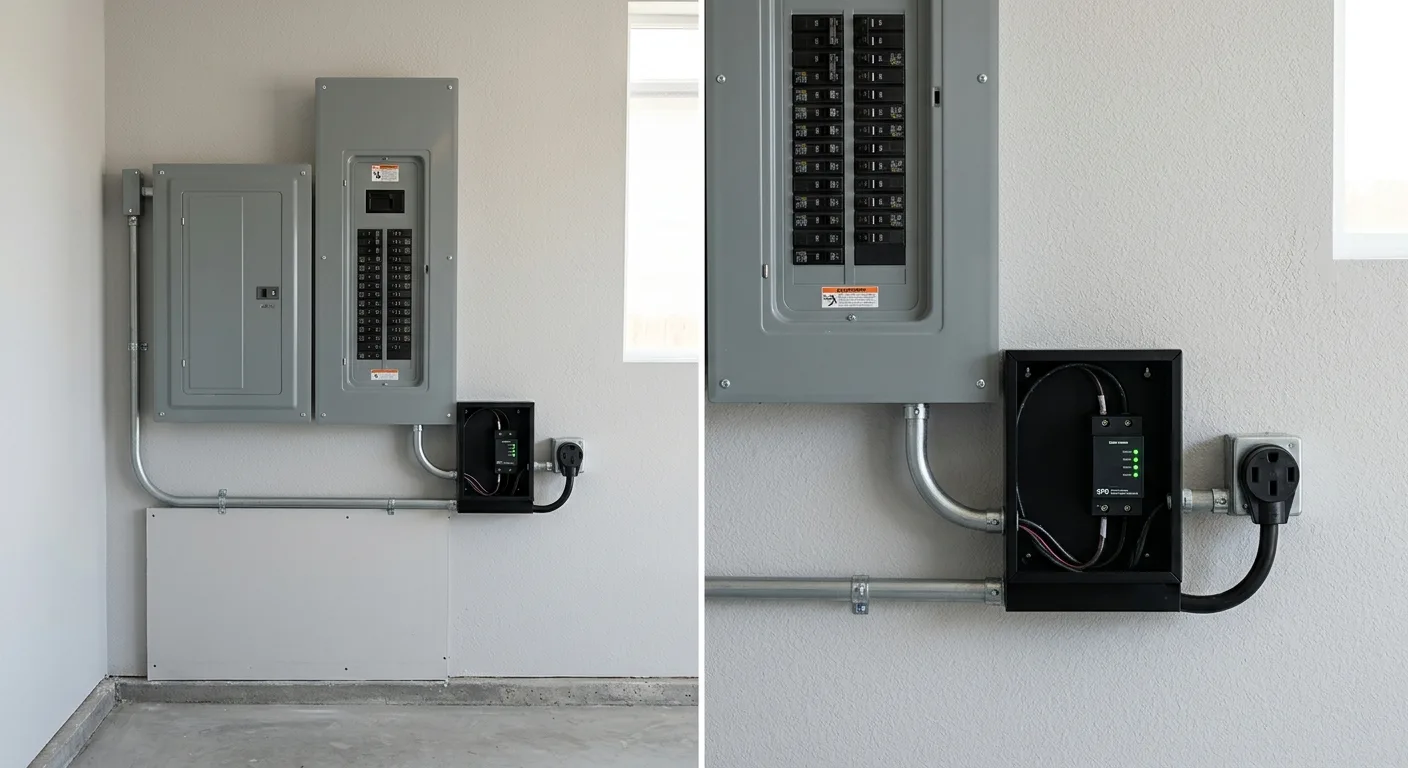
A lockable disconnect switch must be installed within line of sight of the equipment. This protects anyone servicing the unit from remote energization.
- 04
Permit for New Circuit Runs
New dedicated circuits require a permit in most jurisdictions. We pull permits, schedule inspections, and make sure the work is on record, which matters when you sell the home.
Older Homes Need Honest Answers
Why homeowners trust us
All Electric, Licensed, Insured, and Accountable for Every Circuit We Touch
-
CO License #ME.0600978
Electrical Contractor qualified by Master Electrician
Verify with the state -
Fully Insured
Every job covered, yours and ours
-
1-Year Labor Warranty
We back our work after we leave
AC and Heating Circuit Questions
Not answered here? Call (720) 951-4619 and ask the electrician.
Are home AC and heating circuits AC or DC?
Is a 240V outlet AC or DC?
What size breaker does a central AC unit need?
Can my furnace and AC share the same circuit?
What happens if I install a new HVAC unit on the old wiring without checking the circuit?
Do I need a permit to add a dedicated AC or heating circuit?
What happens if I install a new HVAC unit without verifying the circuit first?
Do I need a permit to add a dedicated HVAC circuit in Colorado?
How do I know if my older home's panel can handle a modern AC or heating system?
Ready to Get Your HVAC Circuit Sorted?
Don't wait for a tripped breaker or a failed inspection to get the ball rolling. Call (720) 951-4619 or schedule online and we'll assess your AC and heating circuit situation, tell you exactly what's needed, and get it wired to code.