
Chapter 03 · Circuits & Dedicated Lines
Dedicated Appliance Circuits, Wired to Code
Licensed installation that keeps high-draw appliances on their own protected circuit.
Free estimate
Tell us what you need
Three fields. It reaches a person here, not a call centre.
What appliance circuits actually protect
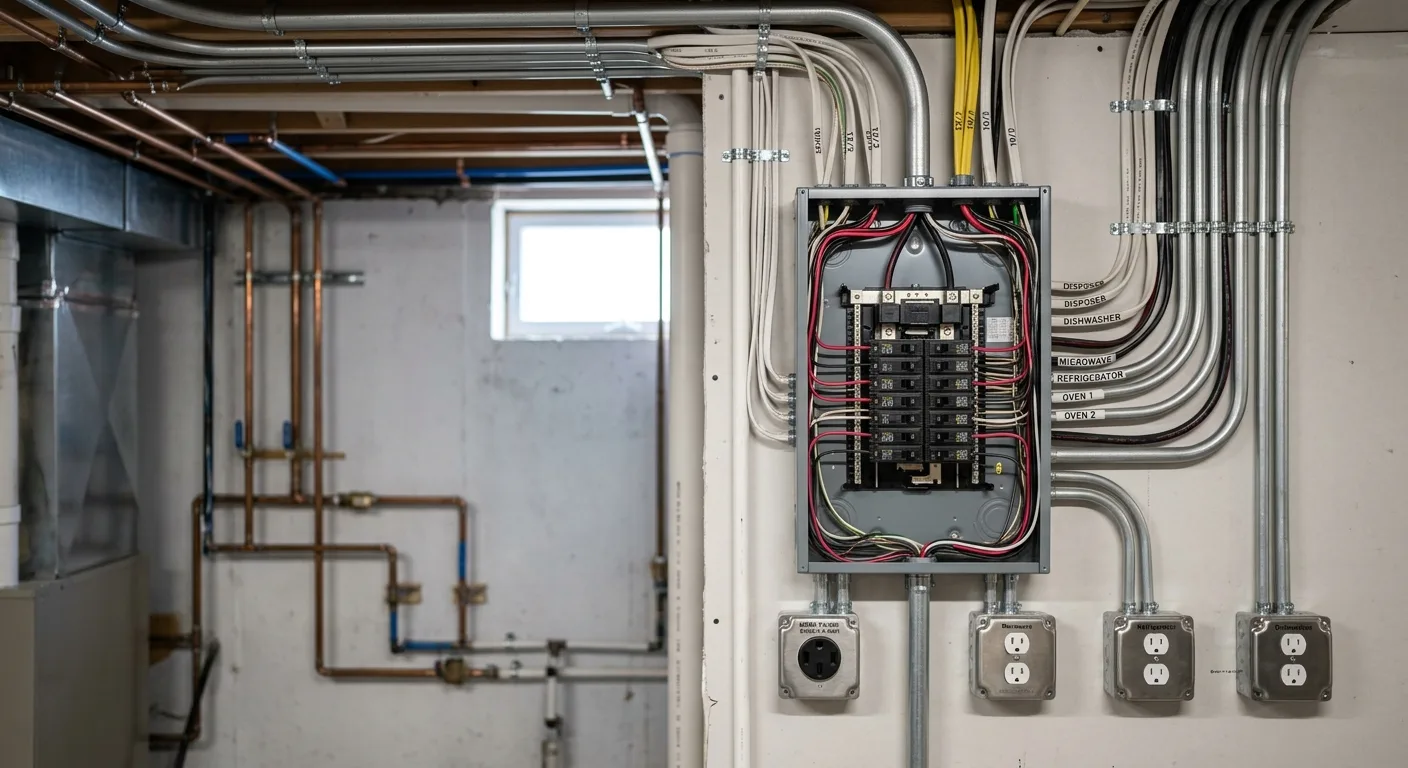
Every major appliance in your home, refrigerator, electric oven, dishwasher, microwave, needs its own dedicated circuit. Running two of them on the same breaker isn't just inconvenient when one trips; it creates a genuine overload risk over time. All Electric installs dedicated appliance circuits that are sized correctly for each appliance's startup and running current demands, permitted where required, and backed by a 1-year labor warranty. CO License #ME.0600978. Call (720) 951-4619 to schedule.
The actual work varies by what your panel can support and where the appliance sits relative to your existing wiring runs. A straightforward dedicated circuit for a refrigerator on the main floor is a much simpler pull than running a 50-amp circuit for a range in a basement kitchen. What drives cost up: distance from the panel, conduit requirements, panel capacity (a full panel may need a panel upgrade first), and whether the walls are open or finished. Every job is different, contact All Electric for an accurate estimate.
Appliances That Require a Dedicated Circuit
The NEC is specific about which appliances can't share. Here's the short list.
Refrigerators and Freezers
Startup current on a compressor motor spikes well above running current. Sharing a circuit means that spike hits whatever else is plugged into the same breaker.
Electric Ranges and Ovens
Most electric ranges require a 50-amp, 240-volt circuit. Nothing else runs on that circuit. Full stop.
Dishwashers
A dishwasher needs its own 20-amp, 120-volt circuit. It also typically requires a GFCI outlet due to proximity to water, something inspectors check.
Microwaves and Disposal Units
Built-in microwaves and garbage disposals each need dedicated 20-amp circuits. Running them on a shared kitchen circuit is one of the most common electrical code violations we see.
Common Questions
Can a refrigerator and microwave share a circuit?
What Good Work Looks Like
How All Electric installs a dedicated circuit
A permit-ready install follows a consistent sequence. Shortcuts here are how work fails inspections.
-
Step 1: Panel Assessment
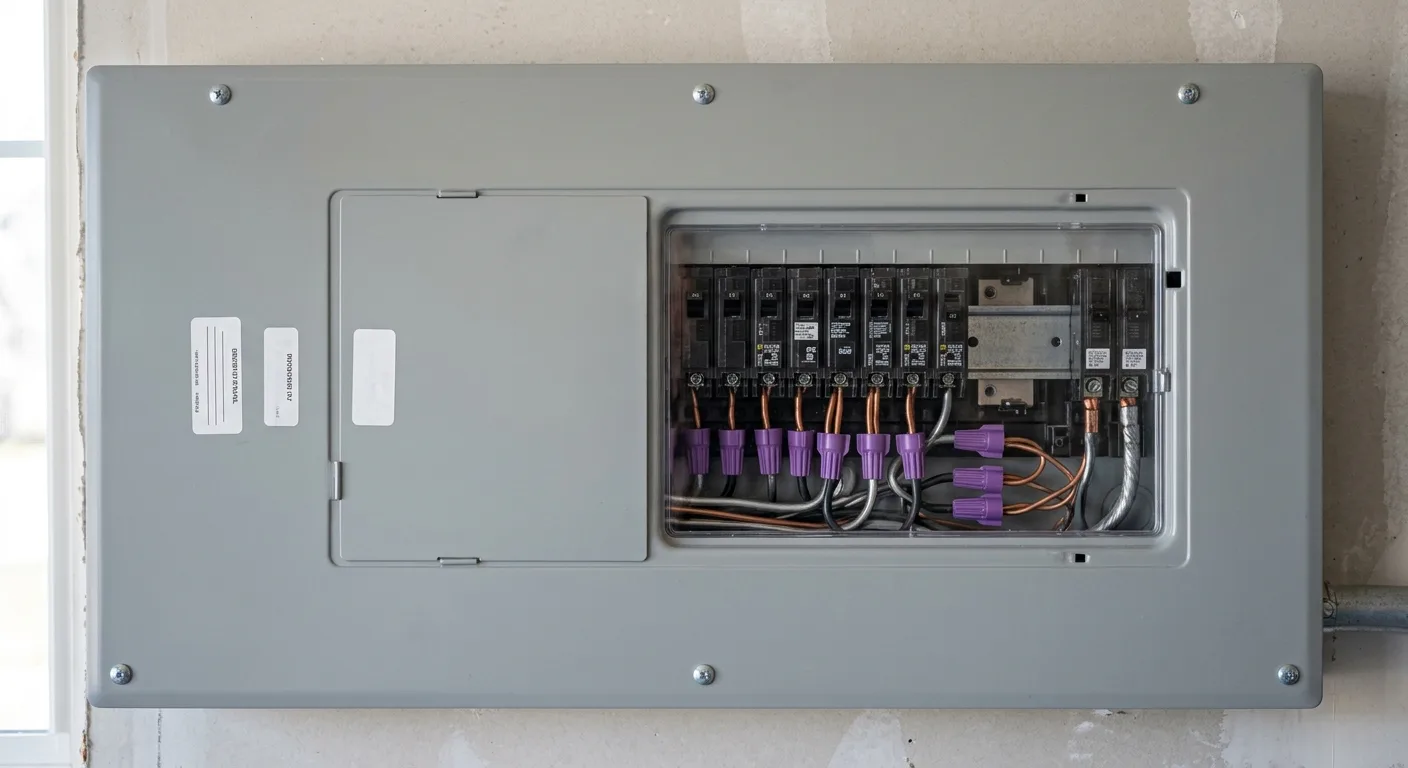
We verify available breaker slots, amperage capacity, and wire gauge before pulling any wire. A full panel needs addressed first, adding a circuit to an overloaded panel solves nothing.
-
Step 2: Permitted Wiring Run
We pull the correct wire gauge for the circuit's amperage rating, route it properly through walls or conduit, and install the right outlet type, including GFCI where code requires it.
-
Step 3: Breaker Installation and Test
The new breaker goes in, the circuit gets labeled correctly, and we test under load before we leave. We use arc fault circuit breakers (AFCI) where current code requires them for living spaces.
Arc Fault Breakers and Why They Matter
Why homeowners trust us
What All Electric Handles on This Job
4.9 stars across 468 Google reviews. CO License #ME.0600978. Fully insured. Here's specifically what that means for this job.
-
Permit pulled where required
We don't skip the permit to save time. An unpermitted circuit is a liability when you sell the home.
-
Correct wire gauge for the load
Undersized wire is how circuits run hot. We size to the breaker, not to what's easiest to pull.
-
AFCI and GFCI where code requires
Not where it's optional. Where the NEC actually mandates it for this circuit type.
-
1-year labor warranty
If the work fails, we come back. That's not a marketing promise. It's in writing.
What a Licensed Electrician Checks That You Can't
Appliance circuit problems aren't always visible. These are the failure points a homeowner typically misses.
Panel Capacity
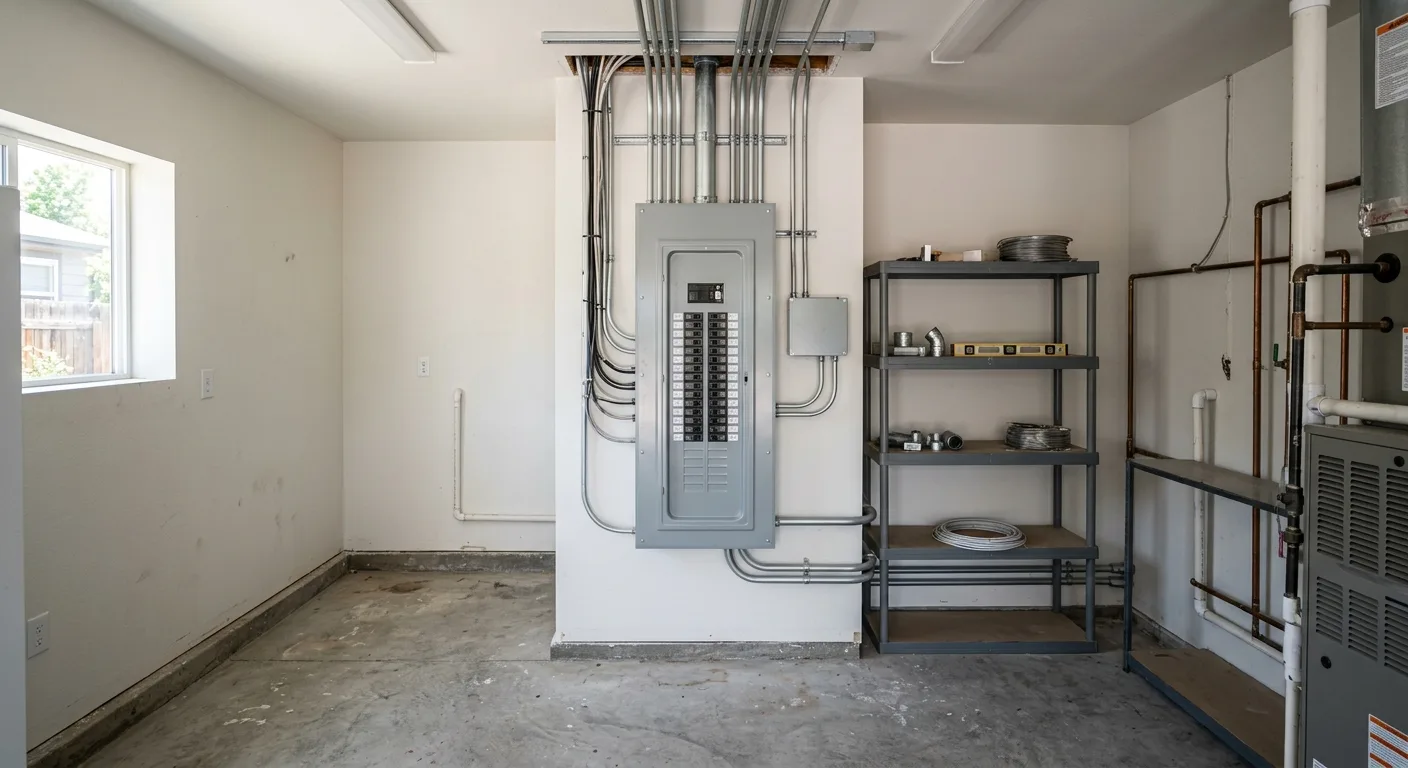
A panel that's out of slots or undersized for the home's current load can't safely accept another circuit. We assess this before quoting.
Aluminum Wiring Compatibility
Older homes sometimes have aluminum wiring that requires specific devices and connection methods. The wrong outlet or breaker on aluminum wiring is a fire hazard.
Voltage Drop on Long Runs
A circuit run that's too long for its gauge loses voltage along the way. That means the appliance at the end never gets clean power, and motors run hotter as a result.
Grounding and Bonding
A circuit that tests 'live' isn't necessarily safe. Proper grounding ensures fault current has a path that trips the breaker instead of traveling through the appliance.
Appliance Circuit Questions
Not answered here? Call (720) 951-4619 and ask the electrician.
How many small-appliance circuits are required in a kitchen?
Can I run my refrigerator and microwave on the same circuit?
What size breaker does an electric oven need?
Does a dishwasher circuit need GFCI protection?
When does a new appliance circuit require a permit?
Can a microwave share a circuit with a garbage disposal?
When does a new appliance circuit require a permit in Colorado?
What happens if an appliance circuit is undersized for the load?
Schedule Your Appliance Circuit Installation
All Electric, CO License #ME.0600978. Fully insured. 4.9 stars across 468 Google reviews.