
Chapter 01 · Panels & Service Entrance
Circuit Breakers: Arc Fault Protection That Holds
Licensed, insured, and backed by 468 five-star reviews across the Front Range.
Free estimate
Tell us what you need
Three fields. It reaches a person here, not a call centre.
Arc Fault Protection That Meets Code
Arc fault protection isn't optional in modern residential wiring, and it isn't a job for a worn-out breaker that trips at the wrong time or refuses to trip at all. A faulty breaker is one of the leading causes of house fires in the Front Range, and most homeowners don't find out until something goes wrong. All Electric installs, replaces, and diagnoses circuit breakers across residential and light commercial properties, with every job permitted, completed to code, and backed by a 1-year labor warranty. CO License #ME.0600978. Call (720) 951-4619 and we'll tell you what the job involves before anyone opens a panel.
Breaker work ranges from swapping a single faulty breaker to installing a full set of arc fault circuit interrupters (AFCIs) throughout a home, and cost varies accordingly. What drives the number up or down: panel age and condition, whether the existing wiring is aluminum or copper, the number of circuits being upgraded, and whether any electrical panel work is needed alongside the breaker swap. We don't quote prices before we see the panel. Every job is different, contact All Electric for an accurate estimate. Financing is available if the scope turns out to be larger than expected.
When a Breaker Is Wearing Out
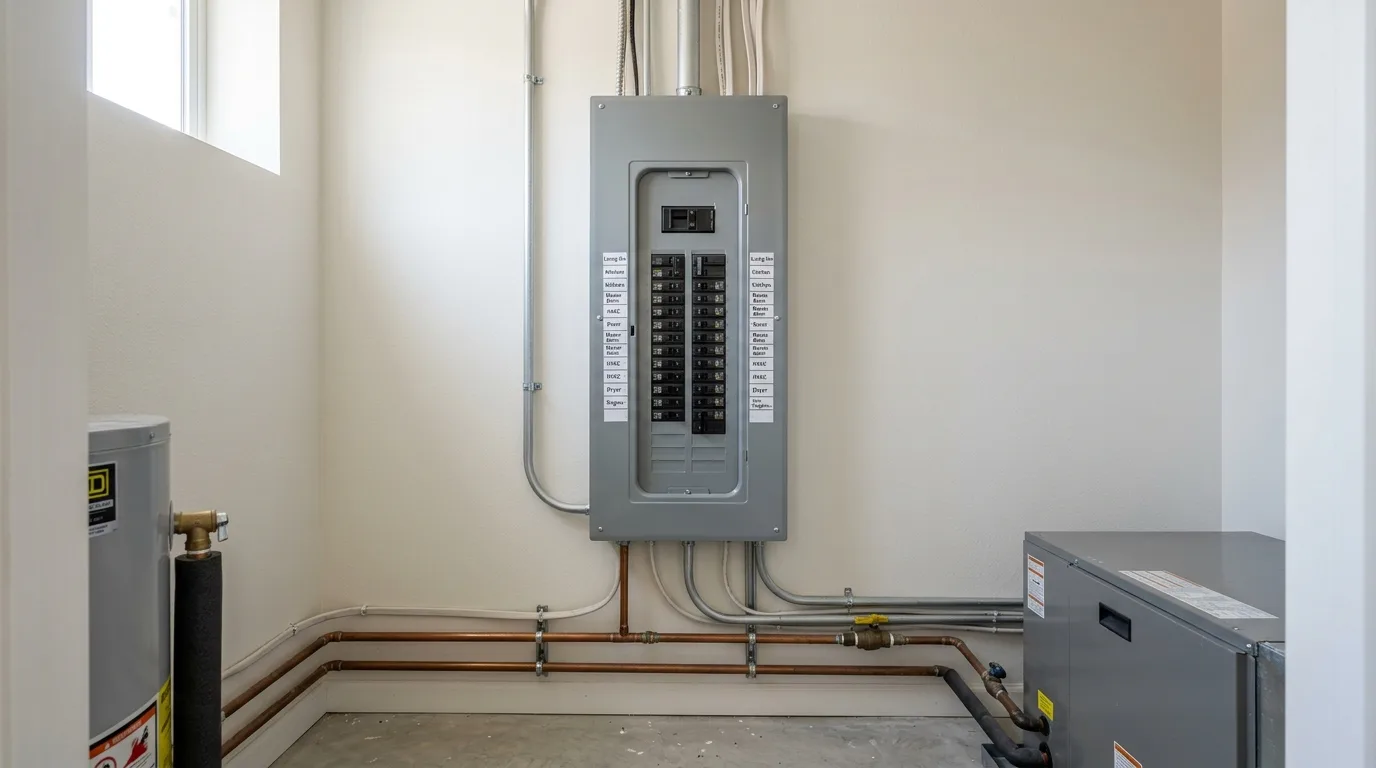
Breakers don't fail dramatically. They fail gradually, and that's the problem.
Arc Fault Protection
AFCI Breakers: What They Do and Where They're Required
Standard Breaker Replacement
Single-pole and double-pole breaker swaps when a breaker fails load testing or won't hold reset. Matched to the existing panel brand and amperage rating.
AFCI Breaker Installation
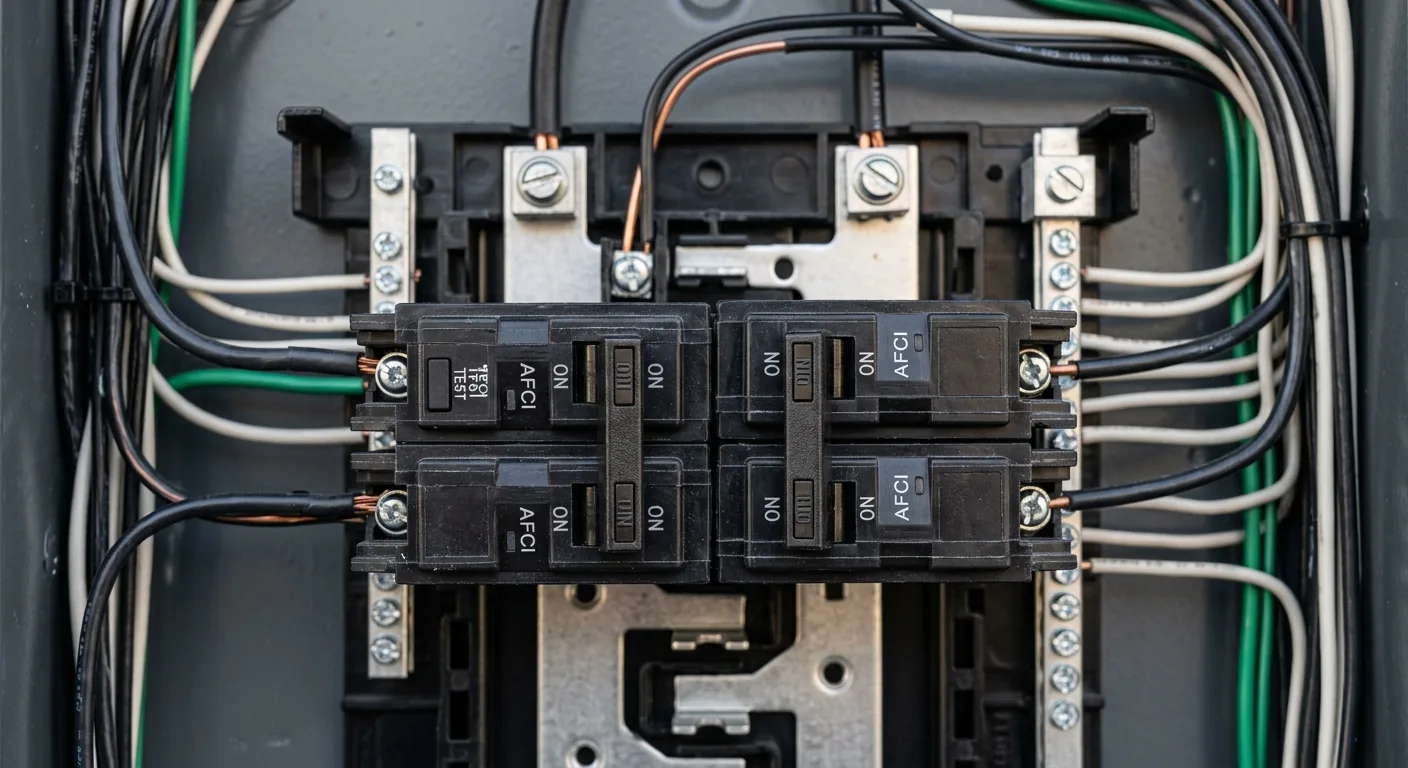
Arc fault circuit interrupters installed in bedrooms, living areas, and kitchens per NEC requirements. Each circuit tested after installation.
GFCI Breaker Installation
Ground fault protection at the panel level for bathrooms, kitchens, garages, and exterior circuits. An alternative to GFCI outlet protection on every receptacle.
Tandem and Dual-Function Breakers
Space-saving tandem breakers and combination AFCI/GFCI dual-function breakers where panel space is limited and full protection is still required.
Breaker Diagnostics
Load testing and panel inspection to confirm whether a breaker has failed or whether the problem is upstream in the wiring. We don't replace parts that don't need replacing.
Panel-Level Code Compliance
Corrections for inspection failures, insurance requirements, or pre-sale electrical fixes that involve breaker upgrades or missing arc fault protection.
How It Works
What Happens When We Service Your Breakers
-
Step 1: Diagnosis First
We test each breaker under actual load conditions with a digital multimeter before recommending any replacement. If the breaker is fine and the problem is in the wiring, we tell you that.
-
Step 2: Permitted, Matched Installation
Every replacement breaker is matched to your panel's brand, bus rating, and slot configuration. Where permits are required, we pull them. We don't skip that step.
-
Step 3: Circuit Verification
After installation, each circuit is tested under load. AFCI and GFCI breakers are tested with a dedicated tester to confirm the protection trips correctly before we close the panel.
Older Panels: Pushmatic, Zinsco, and Federal Pacific
Why homeowners trust us
Why Homeowners Call All Electric for Breaker Work
All Electric, CO License #ME.0600978. Fully insured. 4.9 stars across 468 Google reviews.
-
CO License #ME.0600978
Every job is performed under a valid Colorado electrical contractor license, verifiable through the state.
Verify with the state -
1-year labor warranty
If something we installed fails within a year, we come back and fix it. No debate.
-
Diagnosis before replacement
We test under load. We don't replace breakers that still function correctly to pad a ticket.
-
Permits pulled when required
We don't skip permit requirements. Every job meets the code in effect at the time of installation.
Frequently asked questions
Not answered here? Call (720) 951-4619 and ask the electrician.
Do I need an electrician to replace a circuit breaker?
Can a circuit breaker wear out over time?
What is arc fault protection and do I need it?
Are Pushmatic breakers safe to keep?
How do I reset a breaker that won't stay on?
What's the difference between a GFCI breaker and a GFCI outlet?
Breaker Tripping? Let's Find Out Why.
Most breaker calls are same-visit repairs. Some uncover a bigger panel issue. Either way, you'll know exactly what you're dealing with before we touch anything.