
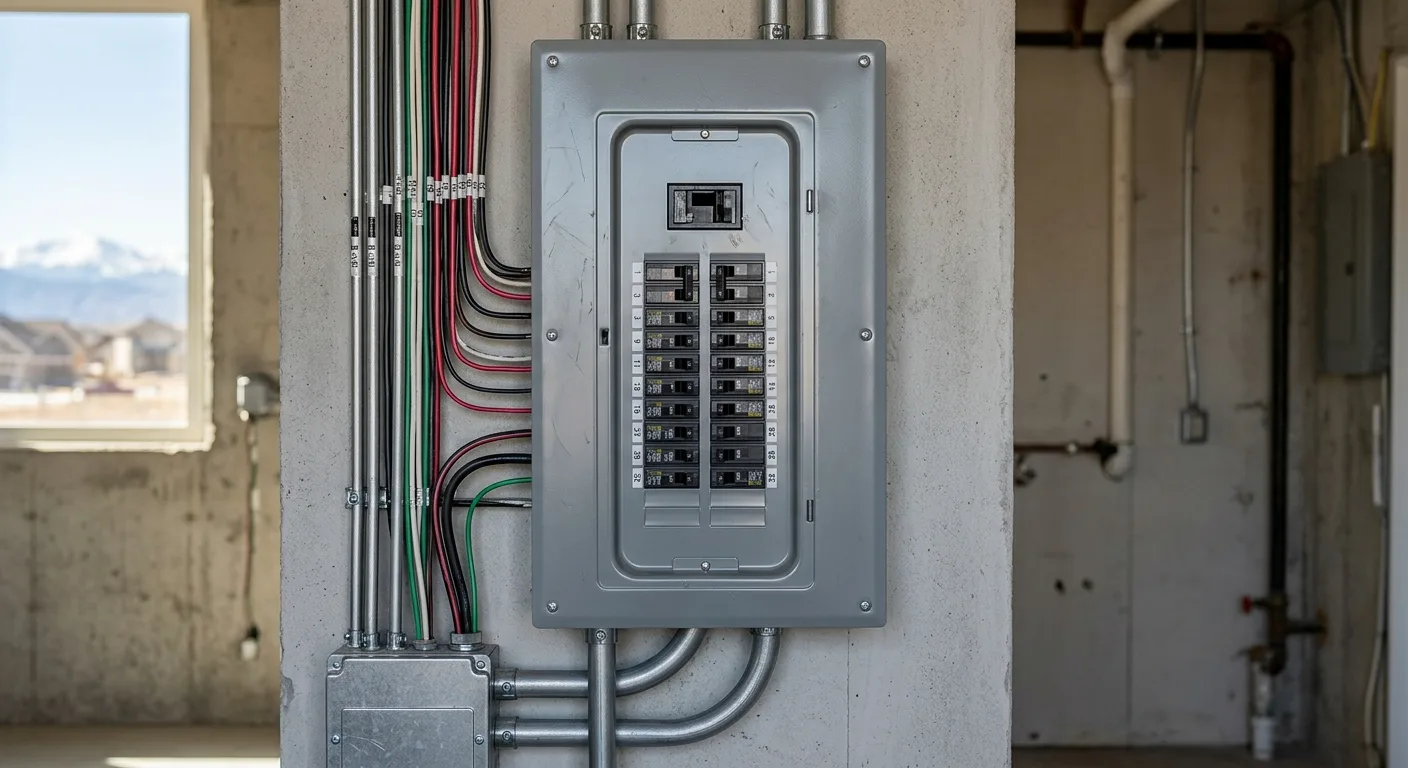
Electrical Panels and Breaker Boxes Explained
Same device, two names. Here is what every Denver homeowner should know.

Practical steps Denver homeowners can take right now to lower their utility bills.
As the cooler months settle in, it is worth taking a close look at how your home uses energy. Winter keeps us indoors longer, more lights on, more electronics running, and the thermostat working harder than it did in September. All of that shows up on your utility bill.
Some of the fixes are simple habits. Others involve a quick call to a licensed electrician, especially if your heating and cooling circuits are aging or undersized. Here are a handful of tips that make a real difference.
Small changes, done consistently, add up to meaningful savings by February.
Gaps and cracks around door frames, window casings, and electrical outlets on exterior walls let cold air in and heated air out. Weatherstripping and caulk are inexpensive. An outlet gasket on an exterior wall costs almost nothing and can make a noticeable difference.
Dropping the thermostat 7–10°F for eight hours while you sleep can shave up to 10% off your annual heating costs. A programmable or smart thermostat automates this without any sacrifice in comfort, it warms the house back up before your alarm goes off.
Keep blinds open on south-facing windows during daylight hours to let the sun do some heating. Close everything once it gets dark. A heavy curtain over a single-pane window is a meaningful insulation upgrade.
Attics and basement rim joists are the two biggest culprits in most Denver homes. If your attic insulation is less than R-38, you are losing heat faster than your furnace can replace it. Walls are harder to retrofit, but an attic top-up is usually straightforward.
A clogged filter makes your furnace work harder for the same output. Check it monthly and replace it every one to three months depending on how dusty your home runs. If your furnace, heating circuits, or thermostat wiring are overdue for a look, a licensed electrician can verify everything is in spec before the cold really sets in.
Lighting
Safety
Furnaces, fireplaces, and gas appliances run longer and harder in cold months. A cracked heat exchanger or poorly vented appliance can push CO into living spaces, and because CO is odorless, the only warning you get is from a working detector.
CO detectors have a limited lifespan, usually five to seven years. If yours is older than that, replace it. Installing a new one is straightforward; if you want it hardwired rather than battery-operated, a licensed electrician can handle that.
CO detectors should be on every floor, near sleeping areas, and close to attached garages. A detector that is only in the basement may not alarm before CO reaches bedrooms on the upper floors.
From the guides
Same device, two names. Here is what every Denver homeowner should know.
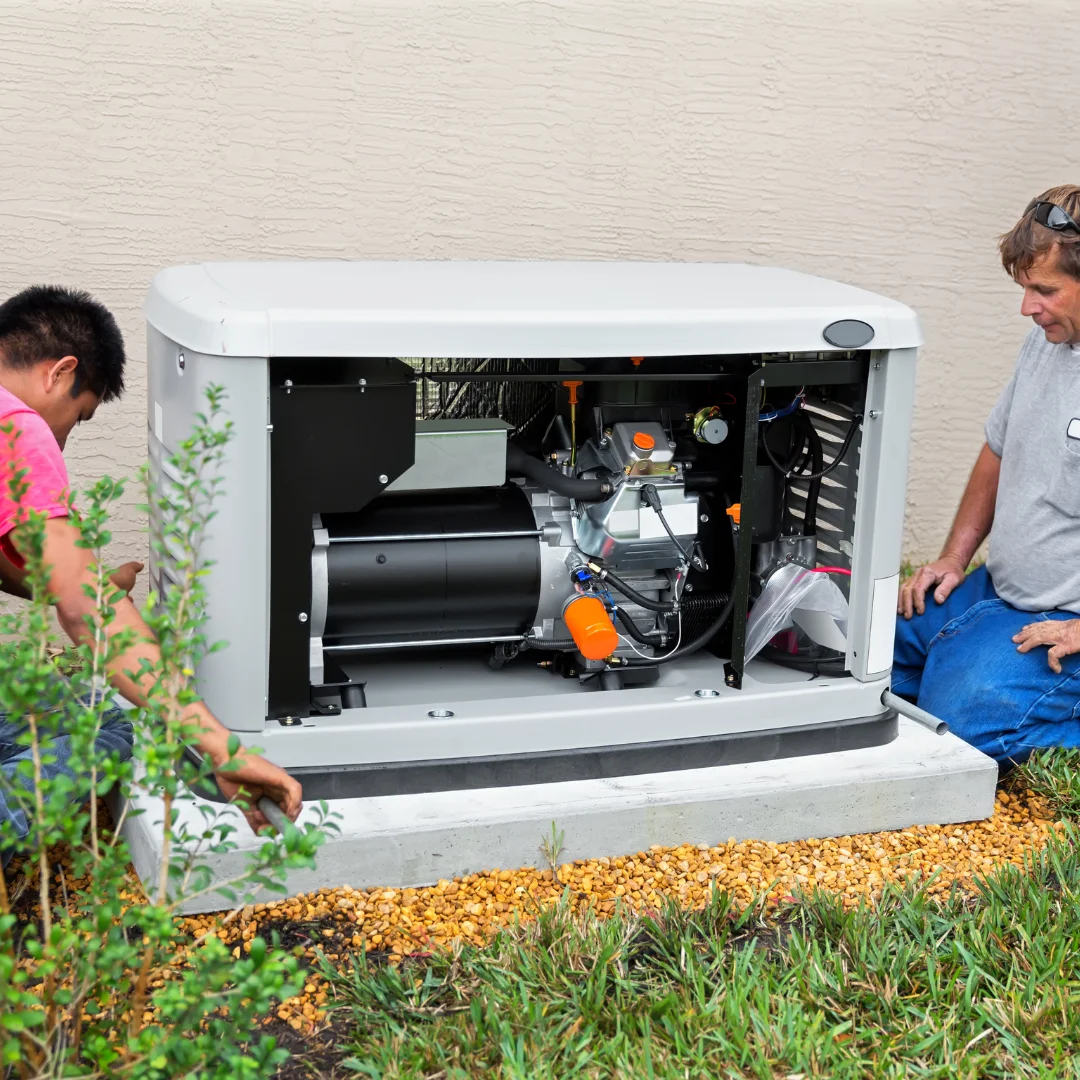
Two popular backup power options, but only one tends to hold up when a Colorado winter hits.
All Electric, Denver's licensed electrician, CO License #ME.0600978.