
Chapter 07 · Life Safety & Surge
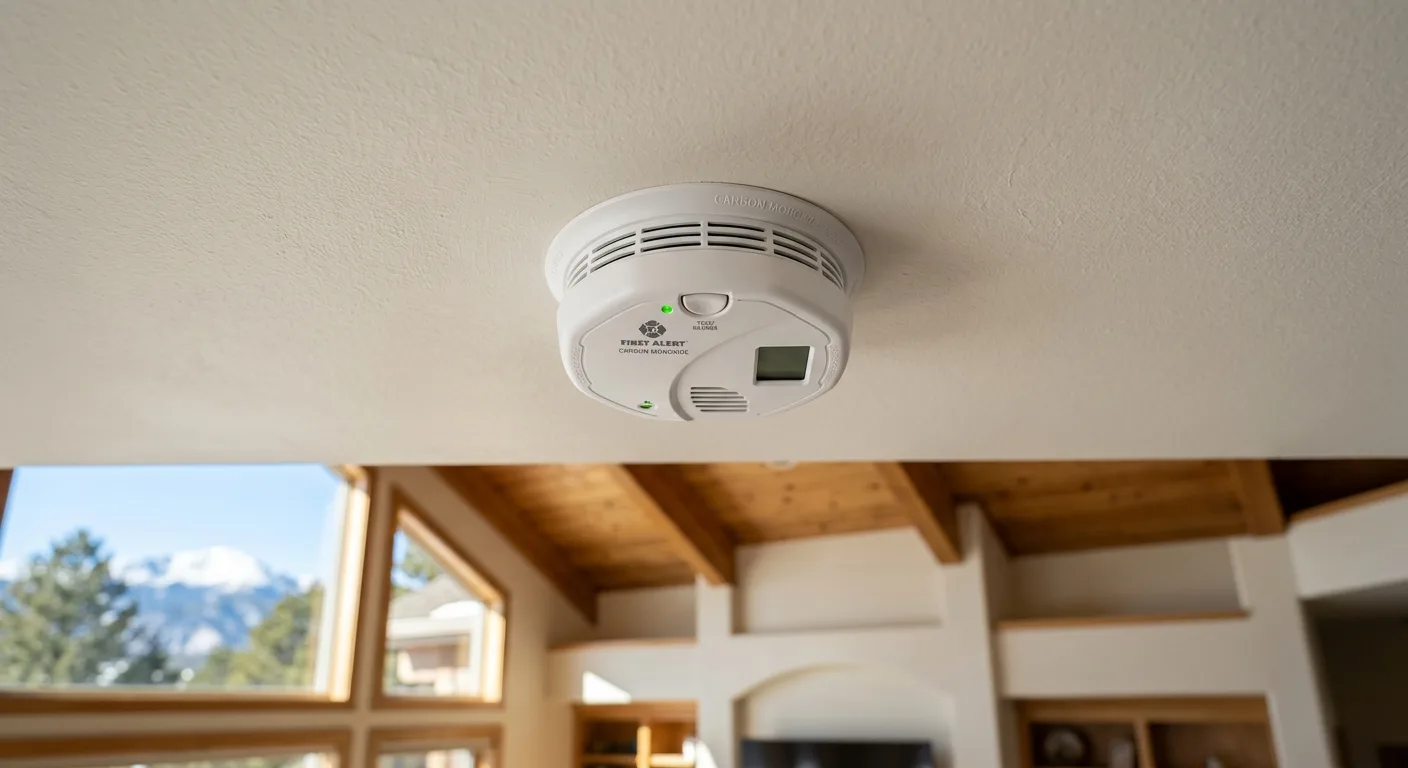
Carbon Monoxide Detector Installation by Licensed Electricians
CO is invisible, odorless, and deadly, proper detector placement is the only warning you'll get.
Free estimate
Tell us what you need
Three fields. It reaches a person here, not a call centre.
Installing a Carbon Monoxide Detector Correctly
Installing a carbon monoxide detector is not the same as plugging in a nightlight. Placement matters, CO behaves differently than smoke, and a detector mounted in the wrong location can miss a dangerous buildup entirely. All Electric has handled CO detector installation for nine years, and we carry CO license #ME.0600978 with full insurance on every job. Our work comes with a 1-year labor warranty, and we've earned a 4.9-star average across 468 Google reviews from homeowners across the Front Range. Call (720) 951-4619 to schedule, or book an appointment online.
Carbon monoxide is produced by incomplete combustion of any carbon-based fuel. Furnaces, water heaters, stoves, fireplaces, and car exhaust from attached garages are the most common sources in residential homes. The symptoms of exposure, dizziness, nausea, headache, and in severe cases unconsciousness or death, are easy to mistake for ordinary illness until it's too late. A properly installed CO detector gives your household the only early warning available. What drives installation scope is the size of the home, the number of levels, and whether interconnected hardwired units are required versus battery-operated plug-in devices. Every job is different, contact All Electric for an accurate estimate.
Safety Science
Why Placement Is Everything with CO Detectors
Carbon monoxide doesn't rise like smoke, where you put the detector determines whether it actually works.
Near Every Sleeping Area
Colorado code requires a CO detector outside each separate sleeping area. If your home has bedrooms on two floors, you need units on both. Waking someone up is the whole point.
On Every Occupied Level
A finished basement with a gas furnace or water heater is a primary CO risk zone. The main floor and any upper level where people sleep both need coverage.
Not Inside the Garage
Vehicles emit CO during cold starts. A detector inside an attached garage will alarm constantly. The right location is the interior wall between the garage and living space.
Not Next to the Appliance
Installing a detector directly beside a furnace or stove is counterproductive. Trace combustion gases during normal operation can cause nuisance trips. Detectors belong in adjacent living spaces, not at the source.
Do You Need an Electrician to Install a CO Detector?

Our Process
What All Electric's Installation Covers
A showpiece install means every detector is in the right place, wired correctly, and tested before we leave.
Home Assessment
We identify every CO source, furnace, water heater, stove, fireplace, attached garage, and map the detector positions required by Colorado code and practical coverage.
Unit Selection
We recommend the right detector type for your home: battery, plug-in, or hardwired interconnected. Combination smoke and CO units are an option in certain locations.
Professional Installation
Hardwired units are connected to a dedicated circuit, interconnected so all units trigger together, and secured properly, not just pressed onto a bracket and left loose.
Testing and Walkthrough
Every detector is tested before we leave. We show you how to test units yourself, what the alarm patterns mean, and what to do if one triggers.
CO Sources Every Homeowner Should Know
These three sources account for most residential CO incidents, and most are invisible until the alarm sounds.
-
Step 1: Fuel-Burning Appliances
Furnaces, water heaters, gas stoves, and fireplaces all produce CO as a byproduct of combustion. A cracked heat exchanger or blocked flue can push CO directly into living spaces instead of venting outside.
-
Step 2: Attached Garages
A car left running for two minutes in an attached garage can raise CO levels in adjacent rooms to dangerous concentrations. Older homes with poor air sealing are especially vulnerable.
-
Step 3: Portable Generators and Grills
Running a generator or charcoal grill near an open window or door is one of the fastest ways to fill a home with CO. A detector on every level catches this immediately.
Why homeowners trust us
Why Homeowners Call All Electric
Nine years in the trade, 468 Google reviews, and a 1-year labor warranty on every installation.
-
CO License #ME.0600978
Verifiable with the State of Colorado
Verify with the state -
Fully Insured
Every technician, every job
-
1-Year Labor Warranty
On all installation work
Watch For These
Signs Your Current CO Detectors Need Attention
Unit Is Over 5 Years Old
Check the manufacture date on the back of the unit. If it's older than five to seven years, it's due for replacement regardless of whether it's triggered any alarms.
Alarm Chirps Without CO Present
Intermittent chirping usually signals a low battery or end-of-life sensor. Don't silence it and move on. That chirp is the detector telling you it can't do its job anymore.
No Interconnection Between Units
If your detectors operate independently, an alarm in the basement won't wake someone sleeping on the third floor. Interconnected hardwired units address that gap.
Missing Coverage on a Level
If you've added a finished basement, converted a garage, or added a bedroom since your detectors were installed, your current coverage may no longer meet code. A quick assessment will confirm either way.
What to Do If Your CO Alarm Triggers
Frequently asked questions
Not answered here? Call (720) 951-4619 and ask the electrician.
Do you put a carbon monoxide detector up high or low?
Should I have a carbon monoxide detector on each level of my house?
Do I need an electrician to install a carbon monoxide detector?
How many CO detectors does my home need?
How long does a CO detector last before it needs to be replaced?
What is carbon monoxide and where does it come from in a home?
Schedule Your CO Detector Installation
CO gives no warning you can see, smell, or taste. A properly installed detector is the only one you get.