
Chapter 07 · Life Safety & Surge
Wired Carbon Monoxide Detectors Installed by a Licensed Electrician
Protect every level of your home with properly placed, hardwired CO detection.
Free estimate
Tell us what you need
Three fields. It reaches a person here, not a call centre.
Carbon Monoxide Detectors: What to Know
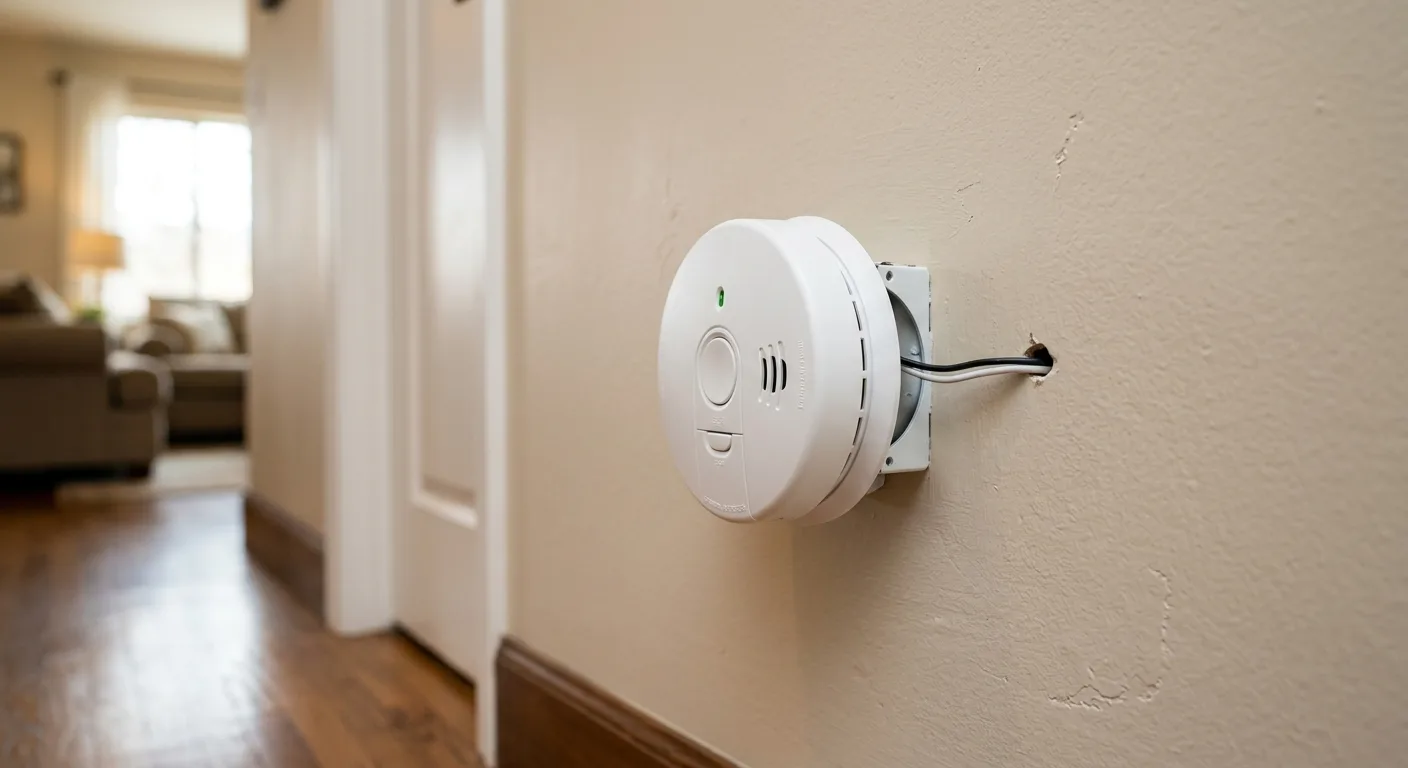
Carbon monoxide detectors save lives, but only if they're placed correctly and wired to stay on even when a battery dies. CO is colorless, odorless, and tasteless. There's no warning before symptoms start. At All Electric, we install hardwired carbon monoxide detectors throughout your home so detection doesn't depend on a battery you forgot to replace. CO license #ME.0600978, fully insured, 1-year labor warranty. Call (720) 951-4619 or book online to schedule an install.
Placement matters more than most homeowners realize. A single detector on the main floor won't protect someone sleeping on the second floor. The National Fire Protection Association recommends at least one detector on every level and one outside each sleeping area. We assess your home's layout, identify your fuel-burning appliances, and position detectors where they'll actually catch elevated CO levels before they reach dangerous thresholds. If your home also needs smoke detector installation, we handle both in one visit. Every job is different, contact All Electric for an accurate estimate.
How Carbon Monoxide Detectors Work
Common Sources
What Produces Carbon Monoxide at Home
CO is a byproduct of incomplete combustion, and most homes have multiple sources.
Gas Furnaces and Boilers
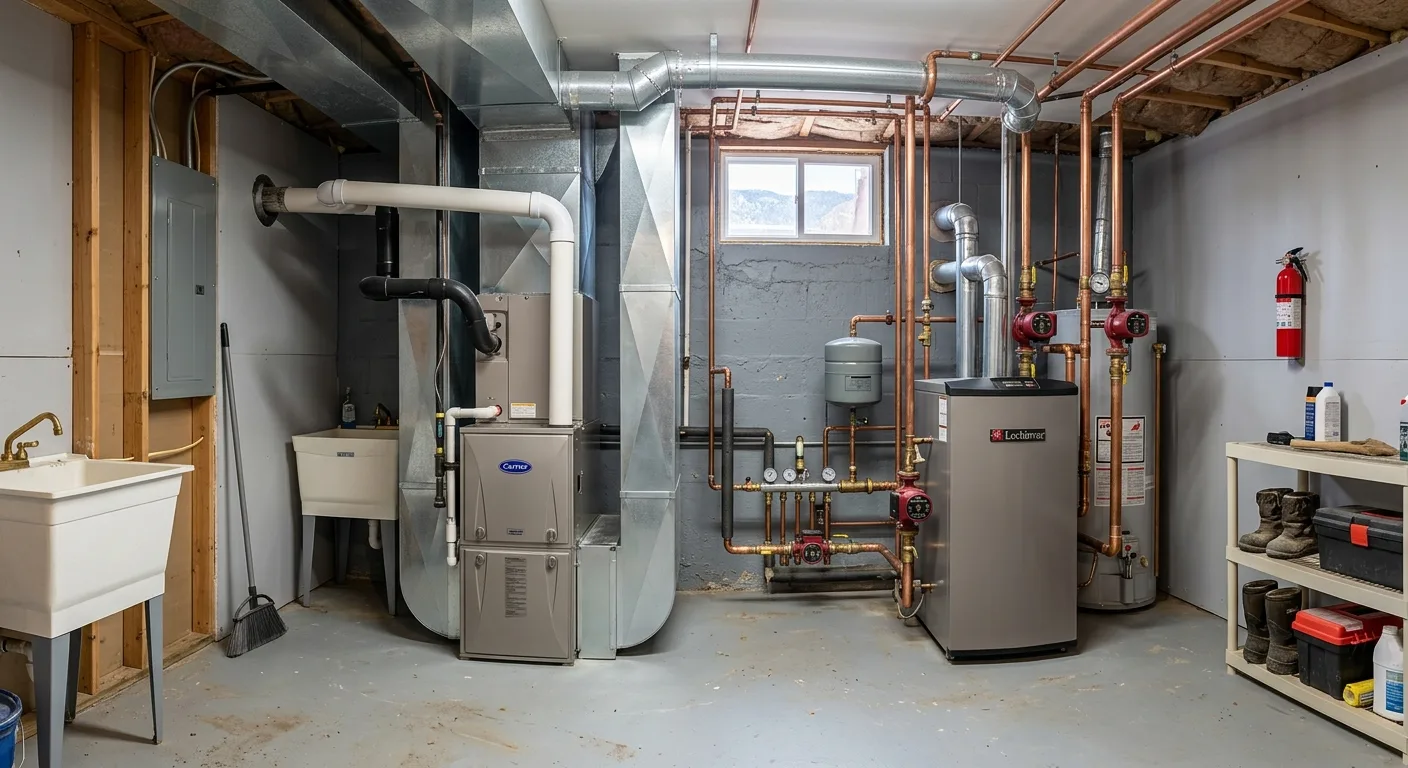
A cracked heat exchanger or blocked flue can redirect exhaust gases into living spaces instead of venting them outside. Furnaces are the leading source of residential CO incidents.
Gas Water Heaters
Like furnaces, water heaters vent combustion gases through a flue. A corroded or disconnected flue pipe allows CO to accumulate in utility rooms and spread through the home.
Gas Stoves and Ranges
A burner that doesn't ignite cleanly or runs with a yellow flame instead of blue is producing excess CO. Older stoves with worn ignition systems are particularly prone to incomplete combustion.
Attached Garages
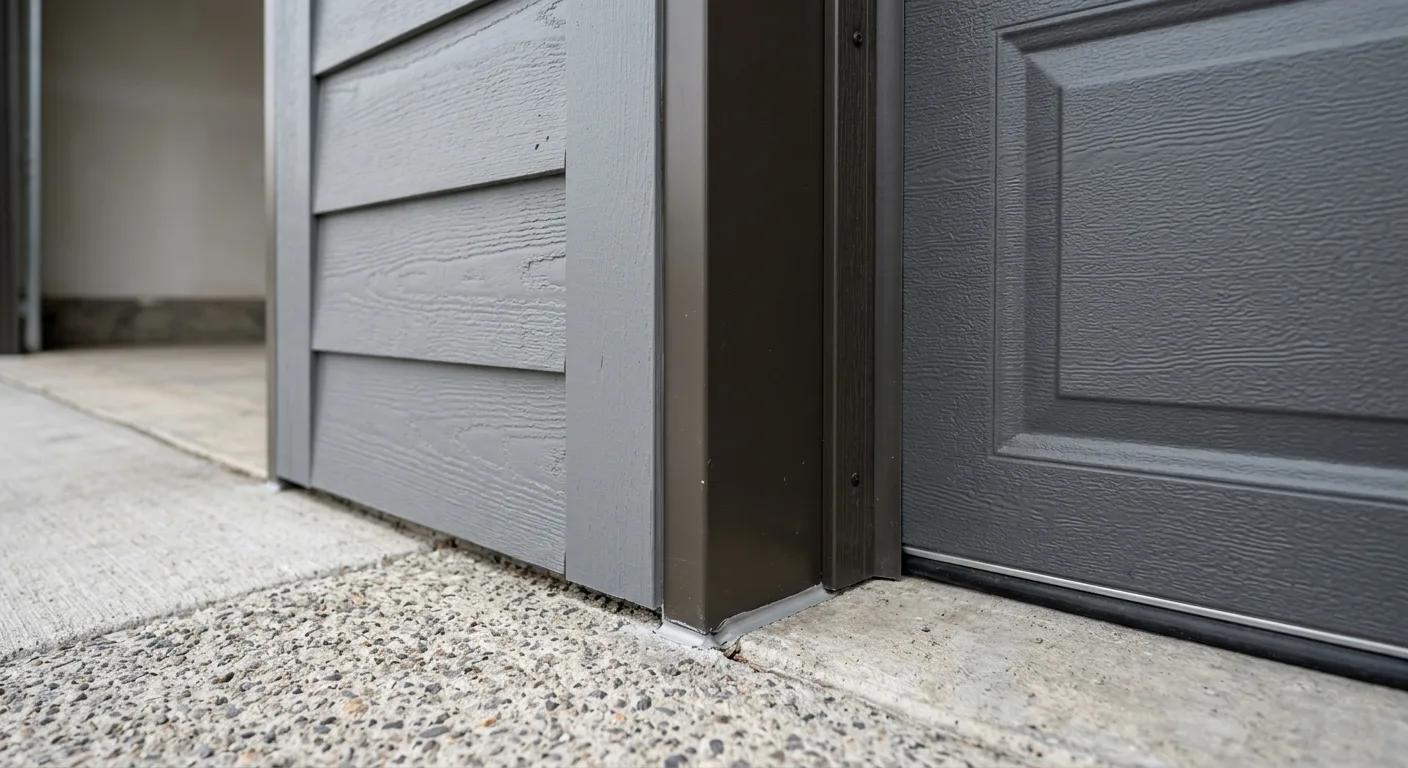
A vehicle idling in an attached garage is one of the fastest ways to flood living spaces with CO. The gas moves through gaps around the connecting door and through shared HVAC ductwork.
Portable Generators
Running a generator indoors or within ten feet of a window is the most common cause of CO fatalities during power outages. CO from generators is dense and accumulates quickly. See our backup generator installation page for safe standby generator options.
Fireplaces and Wood Stoves
A blocked or poorly drawing chimney traps combustion gases inside. CO from fireplaces typically rises during cold spells when dampers are kept partially closed for warmth.
Placement
Where Carbon Monoxide Detectors Should Be Installed
Position determines whether a detector actually catches elevated CO levels in time.
One on Every Level
CO concentration varies by floor. A detector in the basement won't alarm before your second-floor bedrooms fill with gas. Every occupied level needs coverage.
Outside Each Sleeping Area
Symptoms of CO poisoning often appear during sleep, when occupants can't self-monitor. A detector within ten feet of each bedroom door provides the earliest possible warning.
Near Fuel-Burning Appliances
Placing a detector in or adjacent to utility rooms with furnaces or water heaters lets it catch leaks at the source, before CO spreads through the home's air supply.
Away from Dead Air Zones
Corners, ceiling peaks, and areas near exterior walls accumulate stale air. Detectors placed in these spots respond slowly. Install them in the breathing zone, roughly five to seven feet above the floor.
What to Do When the Alarm Sounds
A sounding CO alarm is not a malfunction to silence. Treat it as real until proven otherwise.
-
Step 1: Evacuate Immediately
Get everyone, including pets, out of the building. Don't stop to investigate the source. CO poisoning symptoms include headache, dizziness, nausea, confusion, and in severe cases, loss of consciousness.
-
Step 2: Call Emergency Services
From outside or a neighbor's home, call 911. Do not re-enter until emergency responders have cleared the space and identified the source. Carbon monoxide is fast-acting at elevated concentrations.
-
Step 3: Have the Source Inspected
After the immediate hazard is resolved, schedule an inspection of all fuel-burning appliances and venting. Our electrical troubleshooting service can confirm whether your wiring or detector installation contributed to the event.
Maintaining Your CO Detectors
Why All Electric
Licensed Installation with a 1-Year Labor Warranty
468 Google reviews at 4.9 stars. CO license #ME.0600978. Fully insured. That's the baseline.
-
CO License #ME.0600978
Verified Colorado electrical contractor
Verify with the state -
Fully Insured
Every installation covered
-
1-Year Labor Warranty
On every install we complete
Frequently Asked Questions
Not answered here? Call (720) 951-4619 and ask the electrician.
What will set off a carbon monoxide detector?
Where should carbon monoxide detectors be placed in a home?
How can you tell if there is carbon monoxide in your house?
What is the difference between a hardwired CO detector and a plug-in unit?
How often should CO detectors be replaced?
Can a CO detector and a smoke detector be combined in one unit?
Schedule Your CO Detector Installation
CO is undetectable without a functioning sensor. Get hardwired protection installed correctly.