
Chapter 07 · Life Safety & Surge
When Your Smoke Detector Won't Stop Beeping
Licensed, hardwired installation that protects your home and meets current code.
Free estimate
Tell us what you need
Three fields. It reaches a person here, not a call centre.
Why Your Smoke Detector Keeps Beeping
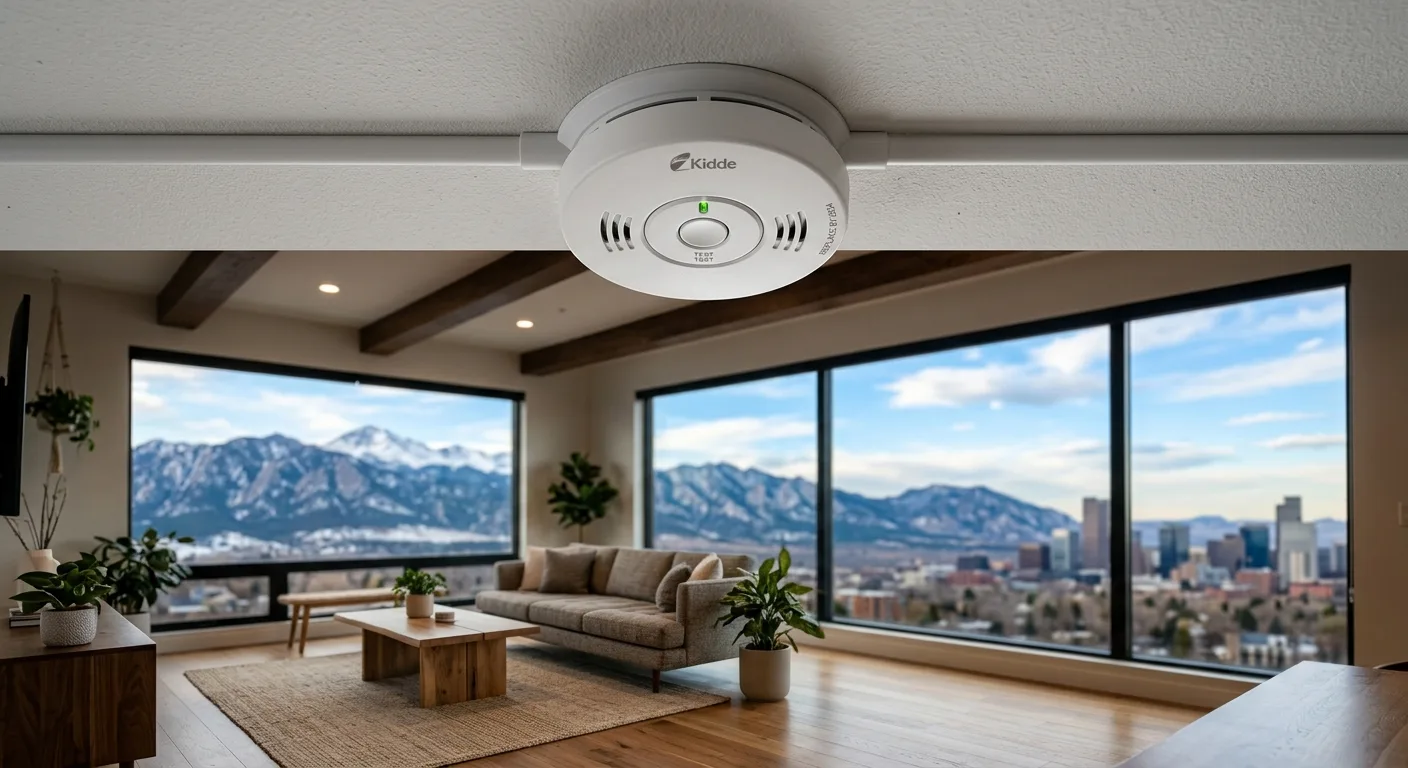
A smoke detector that won't stop beeping is rarely just annoying. It's telling you something. A low battery chirp every 45 seconds is the most common trigger, but a hardwired unit that's chirping could mean a failing interconnect wire, a detector that's reached the end of its service life (typically 8 to 10 years), or a placement problem that's causing false signals from steam or dust. If you're not sure which it is, that uncertainty is worth taking seriously. Call All Electric at (720) 951-4619 and we'll sort it out. CO license #ME.0600978, fully insured, 1-year labor warranty on every job.
The fix depends on what's actually causing the chirp. Battery-operated units are straightforward to replace, but we've seen too many homes where dead batteries took a detector completely offline for months without anyone noticing. Hardwired detectors with battery backup are the better standard, and any new construction in Colorado is required to include both smoke and carbon monoxide detectors on hardwired circuits. If your home is older, the placement of your current detectors may not meet today's code either. Proper placement isn't guesswork. It's governed by NFPA 72 and Colorado's adopted building codes, and getting it wrong doesn't just fail an inspection. It leaves gaps in real coverage. Every job is different, contact All Electric for an accurate estimate.
Diagnose First
What That Chirp Is Actually Telling You
A beeping detector is a diagnostic signal, not a random glitch.
Low or Dead Battery
The most common cause. Battery-operated units chirp every 30 to 60 seconds when the battery drops below threshold. Replace the battery with a fresh alkaline. If the chirping continues after replacement, the detector itself may be failing.
End of Service Life
Smoke detectors have a hard expiration: 8 to 10 years from manufacture, not from installation. The date is stamped on the back. If yours is past that window, it should be replaced regardless of whether it seems to be working.
Hardwired Interconnect Fault
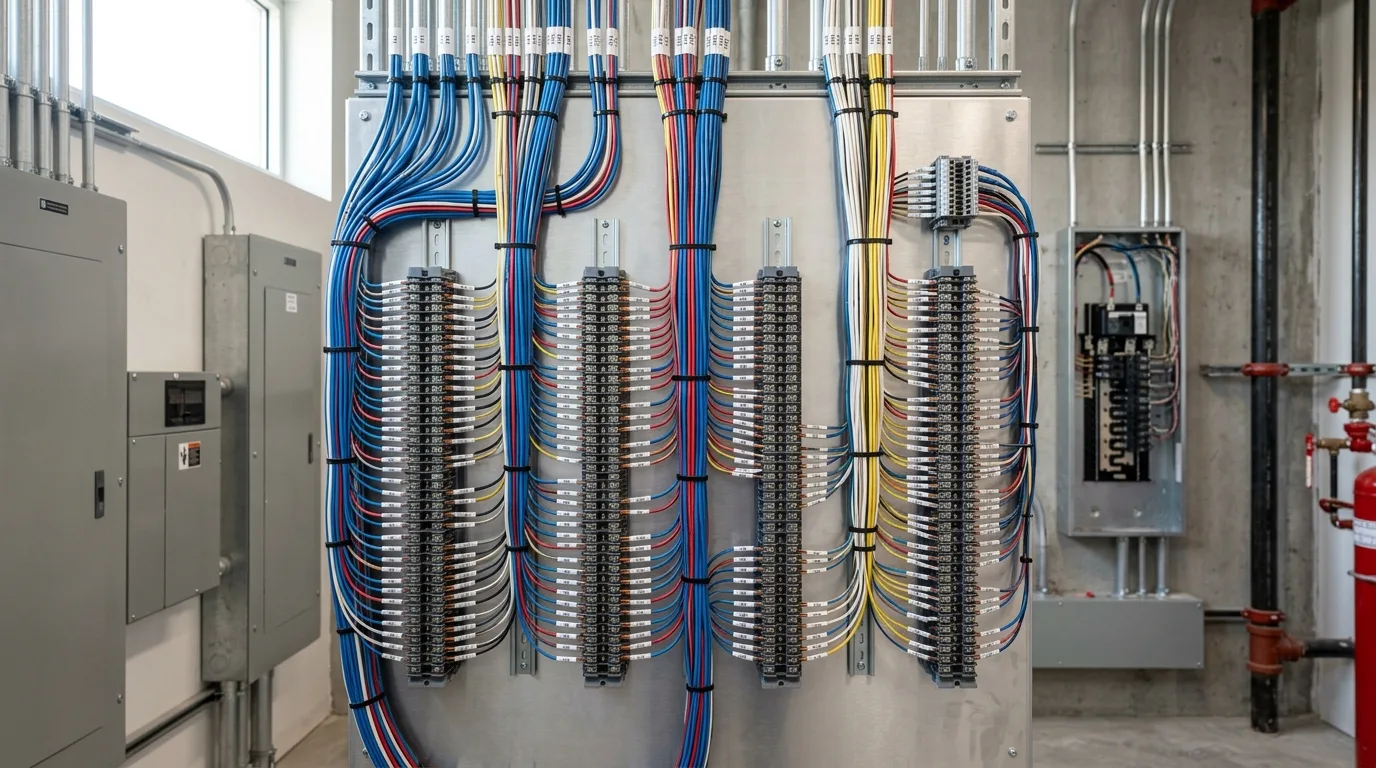
Hardwired detectors communicate with each other through a shared wire. A fault anywhere on that circuit can cause every detector in the home to chirp or alarm. This isn't something you reset with a button. It requires a licensed electrician to trace and repair the circuit.
Placement and Environmental Triggers
Detectors placed too close to bathrooms, kitchens, or HVAC vents get false signals from steam, cooking smoke, and dust. NFPA 72 specifies minimum distances from these sources. A detector in the wrong location will chirp and alarm routinely until it's relocated.
Hardwired Detectors vs. Battery-Only Units
Know the Code
Code Has Changed More Than You Think
Older homes are frequently out of compliance with current smoke detection requirements, and a home inspection will catch it.
One detector in every sleeping room
Modern code requires a smoke detector inside each bedroom, not just outside it. Older installs typically had one detector in the hallway and called it done.
One detector outside each sleeping area
The hallway detector is still required. It supplements the bedroom units, not replaces them.
One detector on every level of the home
Basements, finished attics, and bonus rooms all count. A finished basement with no detector is a code violation in any new or substantially renovated home.
Carbon monoxide detectors required alongside smoke
Colorado requires CO detectors in any residence with an attached garage, gas appliances, or a fuel-burning heating system. Many older homes have none. Our electric code violation repairs service covers retroactive CO detector installation.
Our Process
How We Handle a Smoke Detector Call
Every smoke detector job follows the same three-phase sequence, whether it's a single chirping unit or a full home retrofit.
-
Step 1: Inspect and Diagnose
We check each detector's manufacture date, test interconnect continuity on hardwired systems, and verify placement against current NFPA 72 requirements. You get a clear picture of what's working, what's expiring, and what's out of position.
-
Step 2: Replace or Install to Code
We replace failed or expired units, run new circuit wiring where hardwiring is needed, and reposition detectors that don't meet current placement standards. Every installation gets permitted when permits are required.
-
Step 3: Test Every Unit Before We Leave
We test the full interconnected system on hardwired installs. If one alarm sounds, all of them should. We verify that before closing up and leaving the home.
Why homeowners trust us
Why 468 Customers Call All Electric First
Licensed, insured, and nine years in the trade. The details that matter when a smoke detector job touches your family's safety.
-
CO License #ME.0600978
Electrical Contractor qualified by Master Electrician. Every smoke detector installation is permitted work done by a licensed tradesperson.
Verify with the state -
Fully insured
General liability coverage on every job. You're not exposed if something goes wrong during installation.
-
1-year labor warranty
If a hardwired connection fails within a year of our install, we come back and fix it. No argument, no charge.
Smoke Detector Questions We Hear Often
Not answered here? Call (720) 951-4619 and ask the electrician.
Why does my hardwired smoke detector keep chirping even with a new battery?
Why do smoke detectors beep at night more than during the day?
What's the difference between a smoke alarm and a smoke detector?
What smoke detectors do firefighters and fire marshals actually recommend?
How often should smoke detectors be replaced?
Can I install hardwired smoke detectors myself?
Does a smoke detector installation require a permit in Colorado?
Can I install hardwired smoke detectors myself in Colorado?
Schedule Your Smoke Detector Service
A detector that won't stop beeping is worth a phone call. One that fails silently is worse.