
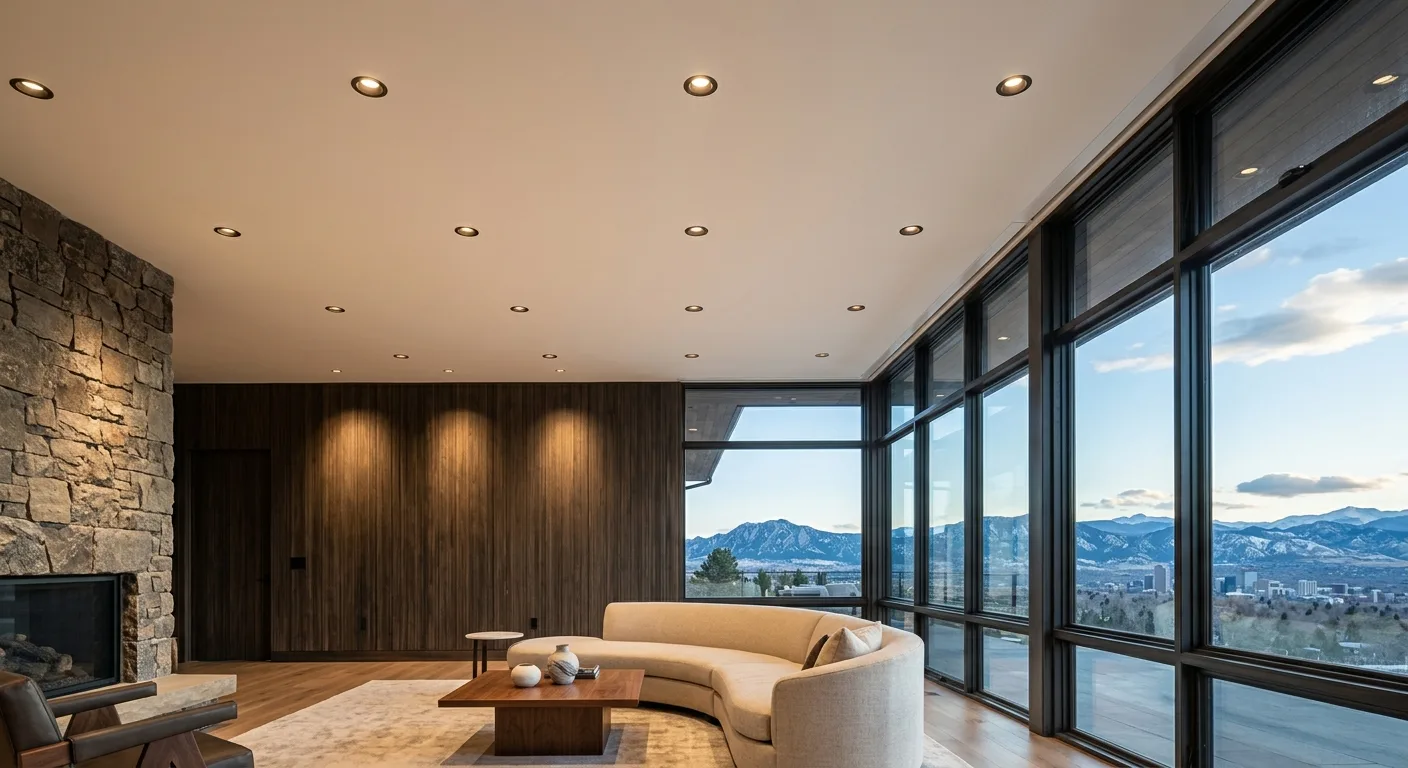
Can Lights That Look Like a Showpiece, Not an Afterthought
Recessed lighting installed by a licensed electrician, placement planned, wiring done to code.
Free estimate
Tell us what you need
Three fields. It reaches a person here, not a call centre.
What makes can lights worth doing right
Can lights and recessed lights are the same thing. The name 'can' comes from the original metal housing, which really did look like a can pushed into the ceiling. Today's housings are far more compact, the trim options are much cleaner, and the LED retrofit options have made them more efficient than ever. If you're weighing this upgrade, here's the honest answer: the fixture itself is straightforward. The placement, the wiring, and the trim selection are where things go wrong, and where a bad install shows every time you walk into the room. All Electric has handled this for 9 years under CO License #ME.0600978, and every job comes with a 1-year labor warranty. Call (720) 951-4619 when you're ready to plan it out.
Recessed can lights work because they disappear. When the lighting installation is done well, you don't notice the fixtures, you notice how the room feels. Spacing matters more than most homeowners expect: too far apart and you get dark spots, too close and the ceiling looks cluttered. The right layout depends on ceiling height, room function, and what you're already working with electrically. Most residential can light jobs involve running new circuits or extending existing ones, cutting clean openings, and making sure every connection is solid before the trim goes up. Every job is different, contact All Electric for an accurate estimate.
Can lights vs. recessed lights: same thing, different era
Why it matters
Placement is the whole job
A licensed electrician plans the layout before cutting a single hole, because you can't un-cut drywall.
The electrical side
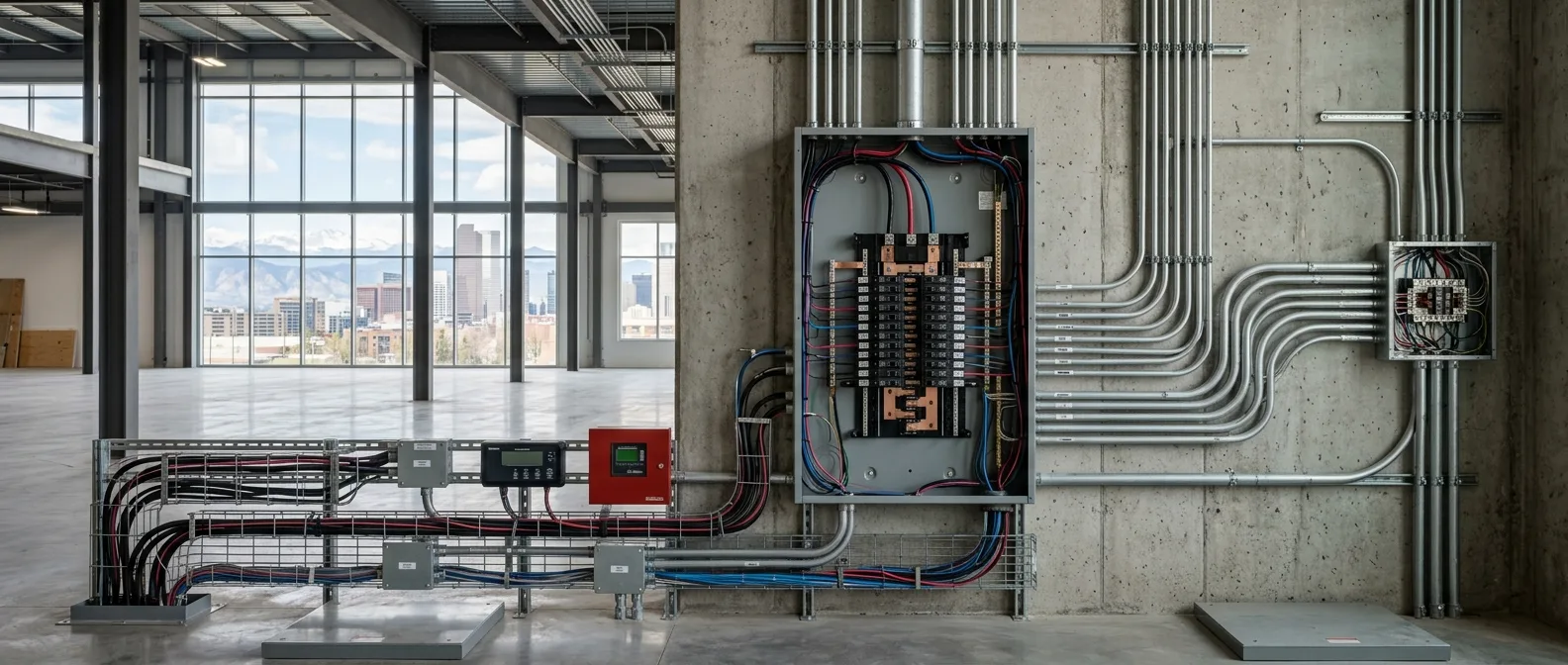
What the wiring actually involves
Circuit assessment
We check whether your existing circuits can handle the added load before recommending fixture count or placement.
Clean ceiling cuts
Openings are marked, measured, and cut precisely, no ragged edges, no oversized holes that the trim ring can't cover.
Wiring run to code
Every connection is made inside an accessible junction box. No wire nuts floating in a ceiling cavity.
Trim and finish
We set the trim rings flush, adjust the gimbal angle if needed, and test every fixture before we pack up.
Our Process
How the install process works
-
Step 1: Plan the layout
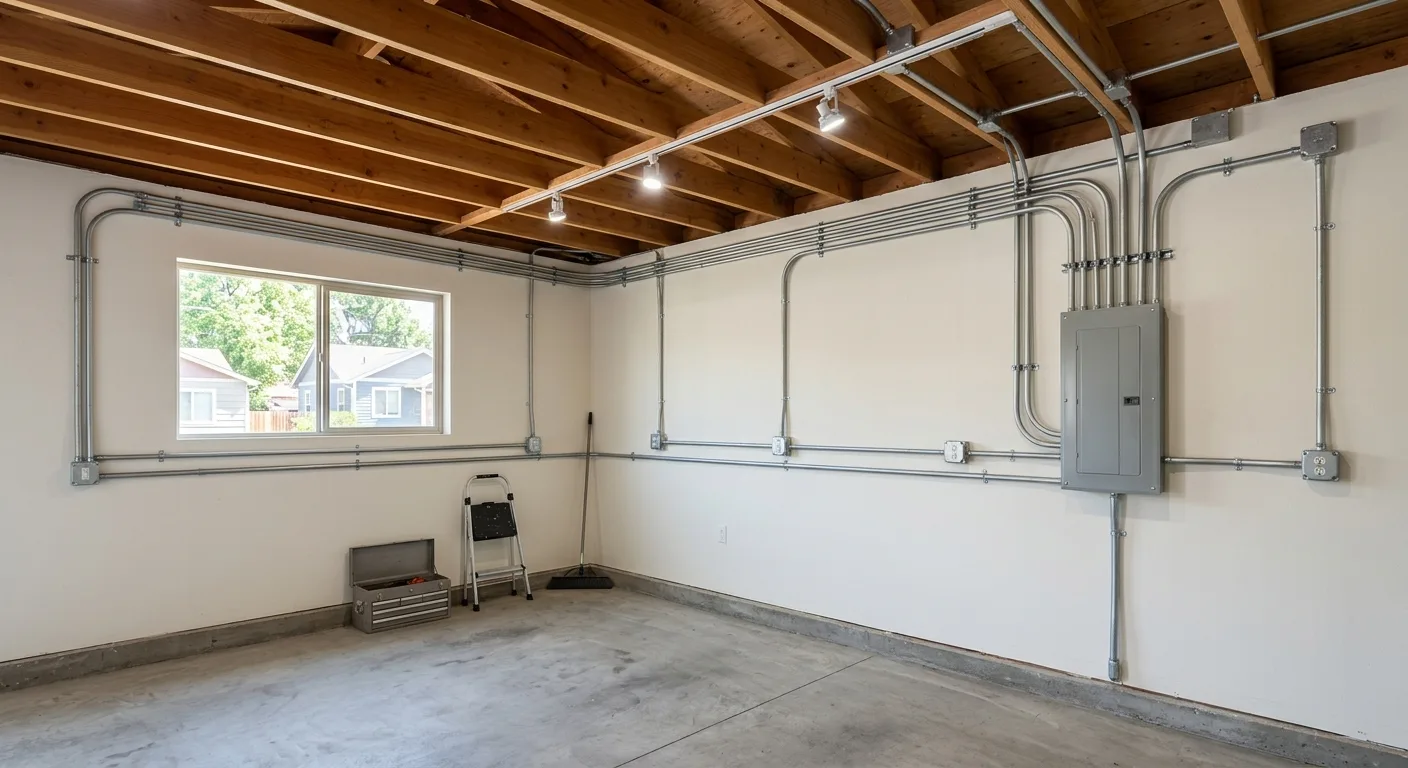
We walk the space, measure ceiling height, identify what's above the drywall, and mark out the fixture locations before any cuts are made.
-
Step 2: Wire and install
Circuits are assessed or added, wire is run through the ceiling cavity, fixtures are seated and connected, and every junction is closed properly.
-
Step 3: Test and finish
Every light gets tested. Trim rings are seated flush. Dimmers are confirmed compatible. We don't leave until the room looks right.
LED can lights: the only type worth installing now
Straight from Google
What 468 customers say about the work
Got the job done well, pleasant to work with.
 Brian NicholsSep 2026 · Google
All Electric is the best! Knowledgeable in fair and troubleshoot till they get the job done, if needed. Highly recommend 🙌🏽
 gina dSep 2026 · Google
Fantastic service. They showed up, assisted in the repairs, found the underlying issues and fixed them and then explained what those issues were in a manner that I could understand. Top service, as always.
 Sean FrohlingAug 2026 · Google
Same day service! Was here in 3 hours. Very honest and charge was kept at the minimum. Polite service as well.
 Fred LudlowAug 2026 · Google
Very responsive. Easy to work with. Would definitely recommend to friends and family.
 BritneyAug 2026 · Google
Electrician came out the next day after calling to install two light fixtures. Minimal issues and got them both installed successfully even though we have an old home. Pricing was reasonable to me. I will definitely be using them again for any similar needs!
 Jillian L. CallaghanAug 2026 · Google
Awesome service. Quick prompt and very professional and knows the business. Daniel Vargas was the Master Tech. Accessed the problem and was quick to diagnose! Two faulty breakers. Highly recommend.
 Michelle BakerAug 2026 · Google
Daniel was great - solution-oriented, super-responsive, knowledgeable and really nice to work with - I will look to Daniel aand All Electric for future needs - thanks!
 Travis BoganAug 2026 · Google
Can lights at a glance: what to know before you call
Can lights and recessed lights are the same fixture: the name is just older
LED is the right choice; incandescent recessed fixtures run hot and draw too much power
Spacing should be roughly half your ceiling height to avoid dark spots or glare
Airtight IC-rated housings are required above insulated ceilings: not optional
Dimmer compatibility must be confirmed before purchase: not all LED trims work with all dimmers
Permit requirements vary by scope: we handle that conversation so you don't have to
Frequently asked questions
Not answered here? Call (720) 951-4619 and ask the electrician.
What is the difference between can lights and recessed lights?
Do I need a permit to install can lights in my home?
How many can lights do I need per room?
Can I install can lights in a ceiling with insulation above it?
Are LED can lights compatible with standard dimmers?
What does a can light installation actually cost?
Book your can light consultation
Ready to upgrade to recessed lighting? We plan the layout, run the wiring, and finish the install to code, all under CO License #ME.0600978 with a 1-year labor warranty.